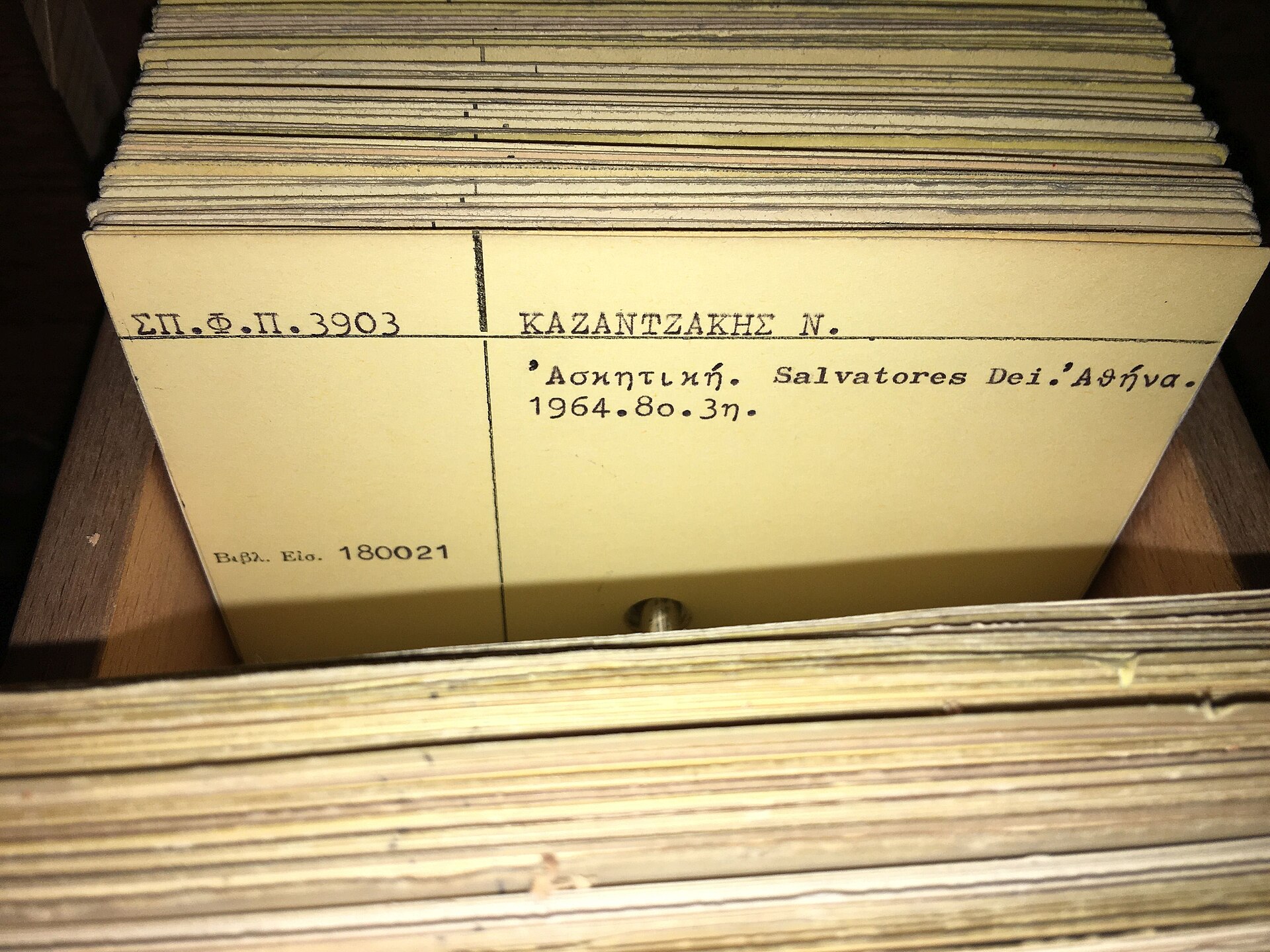
FOLGEZETTEL WITHOUT FOLDERS
Every card branches directly from an existing card. Alternate numbers and letters (21 → 21a → 21a1 → 21b) so related lines of inquiry stay physically adjacent while remaining infinitely extensible.
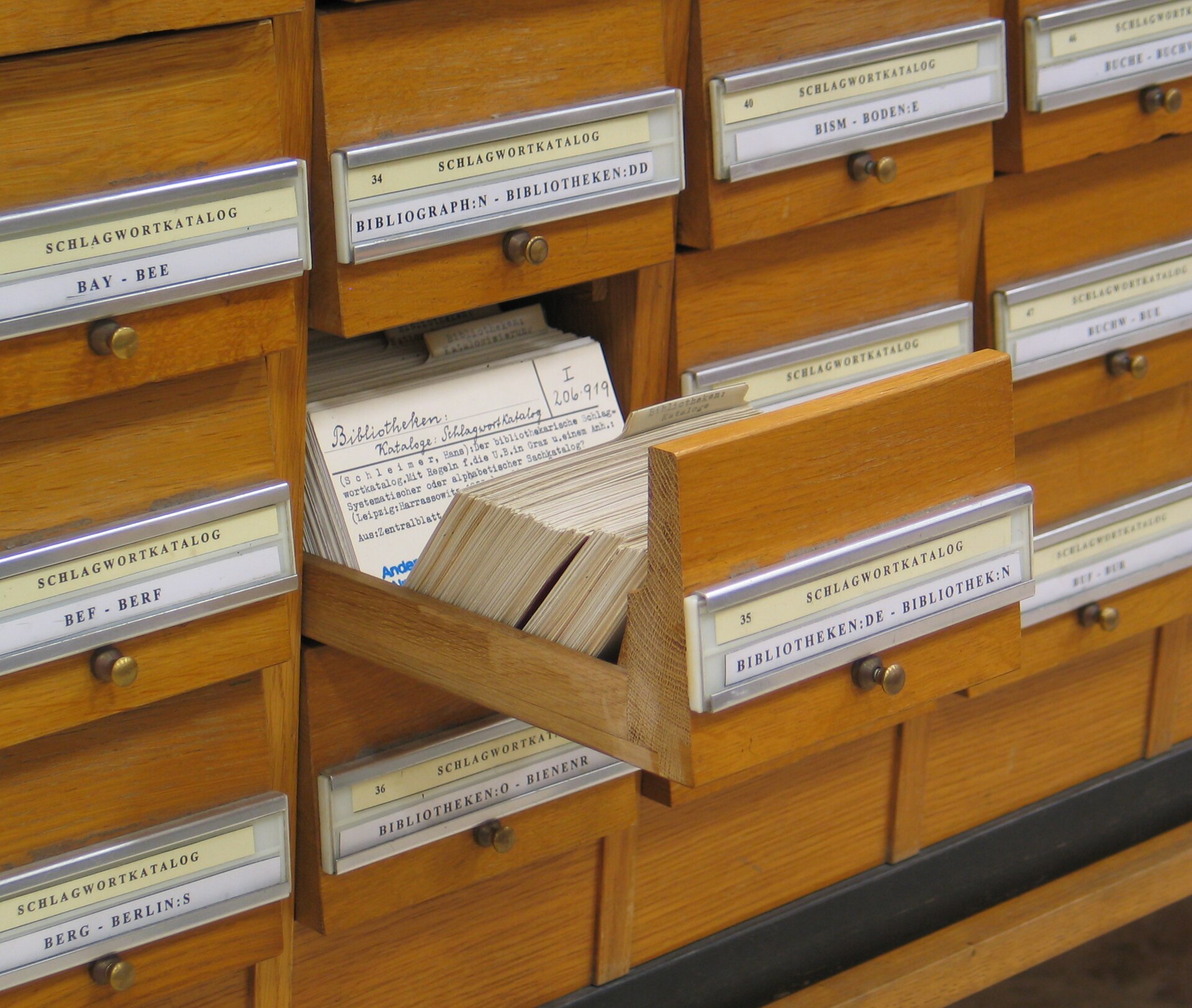
Kasten is a local-first second brain modeled on Niklas Luhmann's 90,000-card archive. Every thought is an atomic A6 Markdown slip filed by a branching Folgezettel address on your own disk.
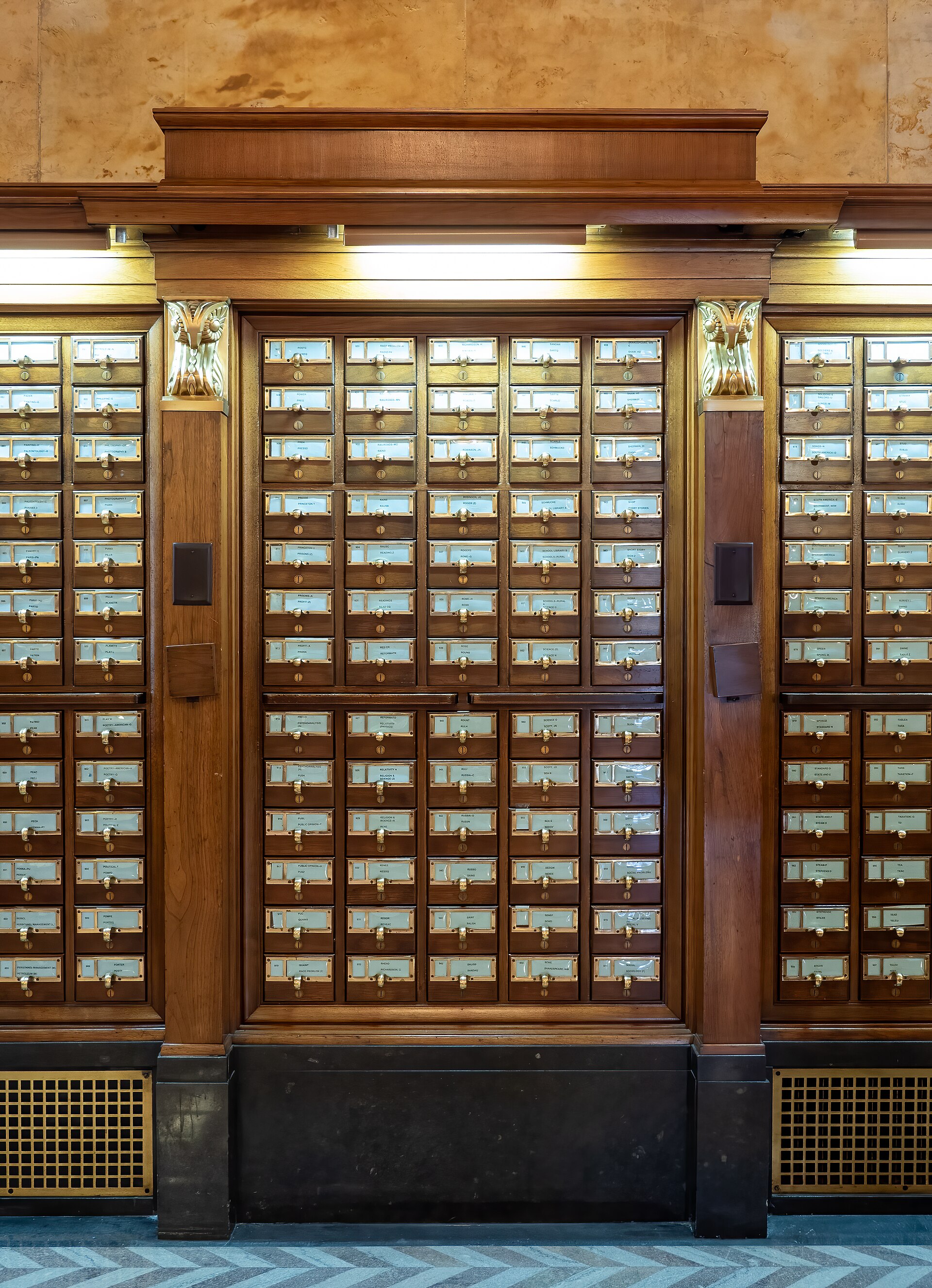
Active Tray: Hauptkasten Drawer · Your permanent plain-text slip-box stored locally in ~/Kasten/. No cloud sync databases, no proprietary blocks, and sub-millisecond local graph traversal across 90,000 cards.
“An archive begins to think for you only when you stop filing by subject and start filing each slip directly behind the note it answers.”
When you file a note inside a topic folder, you trap it inside the single context you had on the day you wrote it. Filing it behind slip 21/3a forces it to sit next to older arguments you had forgotten.
Why folders destroy surprise across long research projects. Instead of burying notes in nested project folders, Kasten gives each card an immutable alphanumeric address so arguments branch organically over decades.
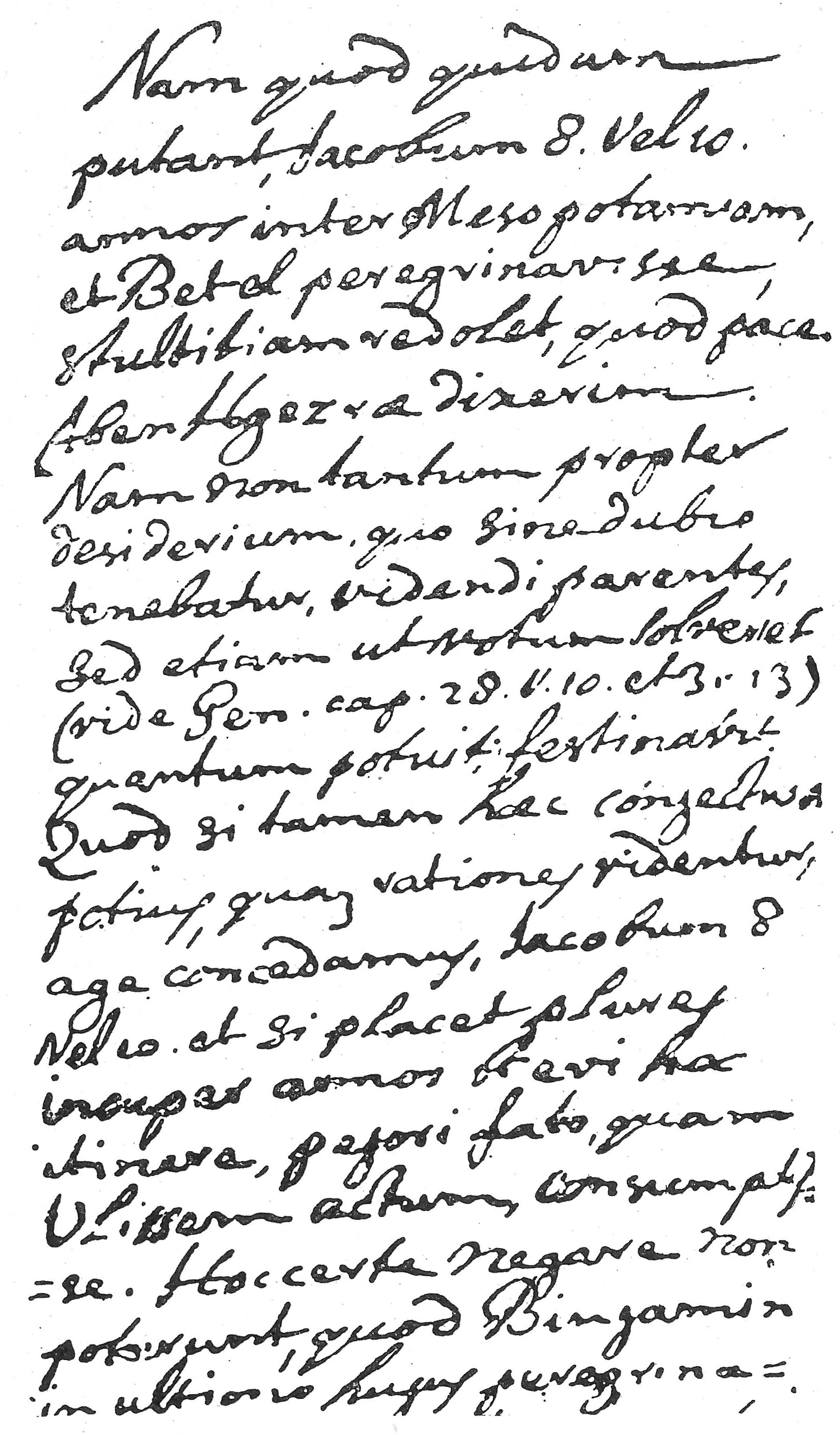
Luhmann never wrote directly into his main cabinet. He kept a day-slip for raw thoughts and literature quotes, then spent twenty quiet minutes each evening translating the survivors into atomic cards.
Mechanical keystroke log: every slip in Kasten is stamped to disk as raw UTF-8 text the instant you press Enter.
Jot fleeting ideas with a global shortcut without leaving your book or browser.
Attach the exact page number to a Literaturkasten card so quotes never float free.
State one self-contained claim in your own prose so a stranger can read it cold.
Slot the card directly behind the argument it extends (21/3a1 → 21/3a2).
Each drawer rule prevents collector's fallacy and turns isolated notes into publishable chapters.
Every card branches directly from an existing card. Alternate numbers and letters (21 → 21a → 21a1 → 21b) so related lines of inquiry stay physically adjacent while remaining infinitely extensible.
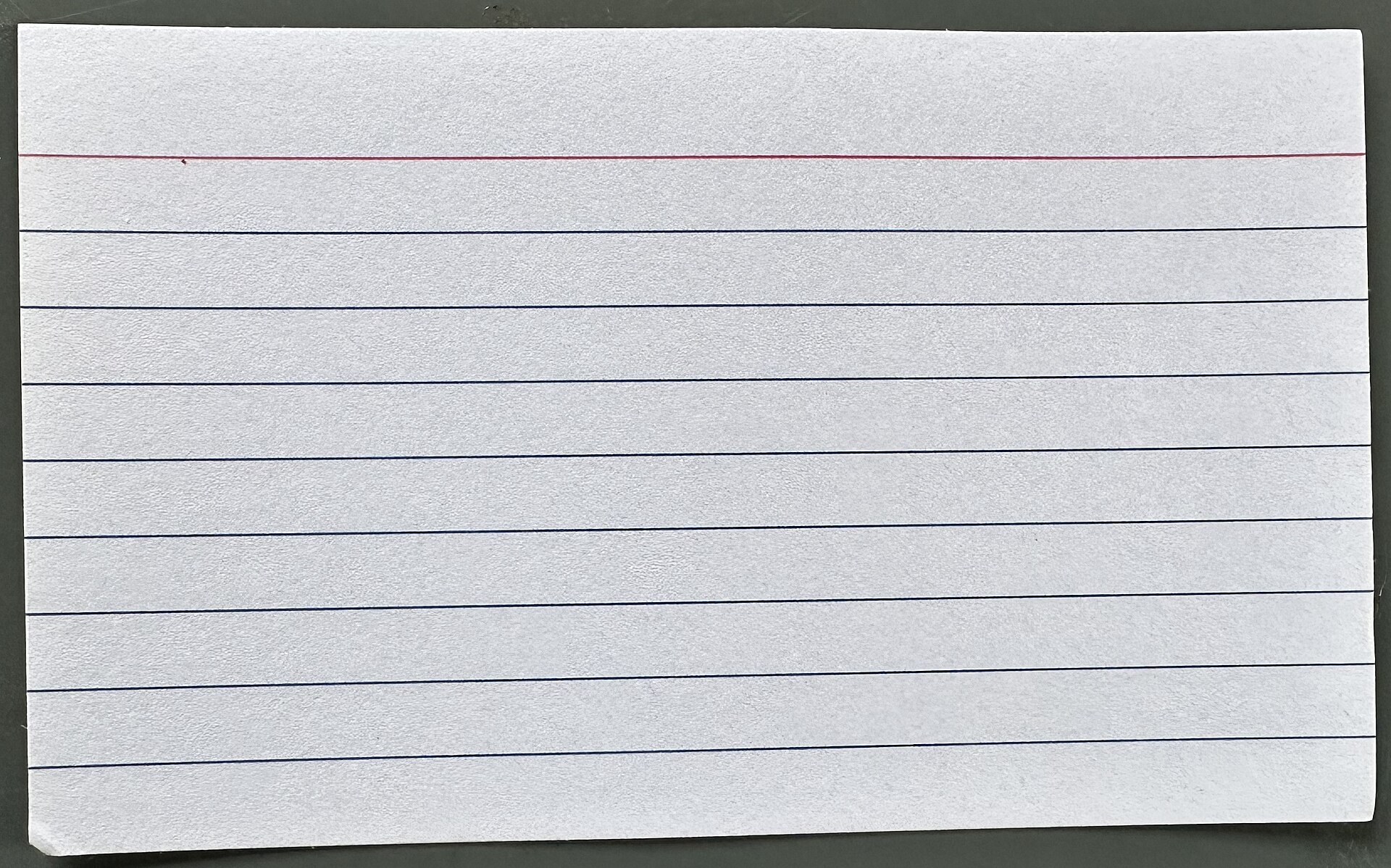
Long pages invite sprawling dumps you never re-read. Kasten frames every note to the exact capacity of a 148 × 105 mm paper slip so each thought can be cited or rearranged across ten essays.
Drag any Folgezettel chain onto the Manuscript Desk and Kasten concatenates the slips into a clean Markdown draft with footnotes intact. Every inbound and outbound reference updates in 0.8 milliseconds.
Your slip-box lives in an ordinary folder on your hard drive. Read it with grep, version it with Git, or open it in Vim fifty years from now. Zero proprietary cloud databases.
Your second brain should never hold your notes hostage behind a monthly subscription.
Read continuously like an archival monograph.
Why does Kasten cap every card at 240 words? Physical A6 index cards forced Niklas Luhmann to separate one observation from the next. When a digital page stretches infinitely downward, notes turn into essays that cannot be re-ordered or linked at the sentence level. Keeping each slip under 240 words guarantees that every link points to a single, sharp claim.
How is a Folgezettel address different from tags or folders? Tags group notes by broad topic after the fact, returning hundreds of flat matches once your archive grows past a thousand entries. A Folgezettel coordinate such as 21/3a1 places a slip directly behind the exact thought it answers or contradicts, preserving the narrative spine of an argument across years.
What happens if I stop using the Kasten application? Nothing is locked inside a database. Your entire Hauptkasten is a directory of plain UTF-8 Markdown files named by their alphanumeric address, with standard YAML frontmatter and wikilinks. Every file remains readable in any text editor on earth.
Can I import an existing Obsidian, Roam, or Notion vault? Yes. Kasten includes a guided Triage Importer that mounts your existing Markdown folder as a read-only reference shelf so you can promote worthwhile notes into your permanent slip-box as you cite them, rather than dumping thousands of unexamined clips.