It links itself
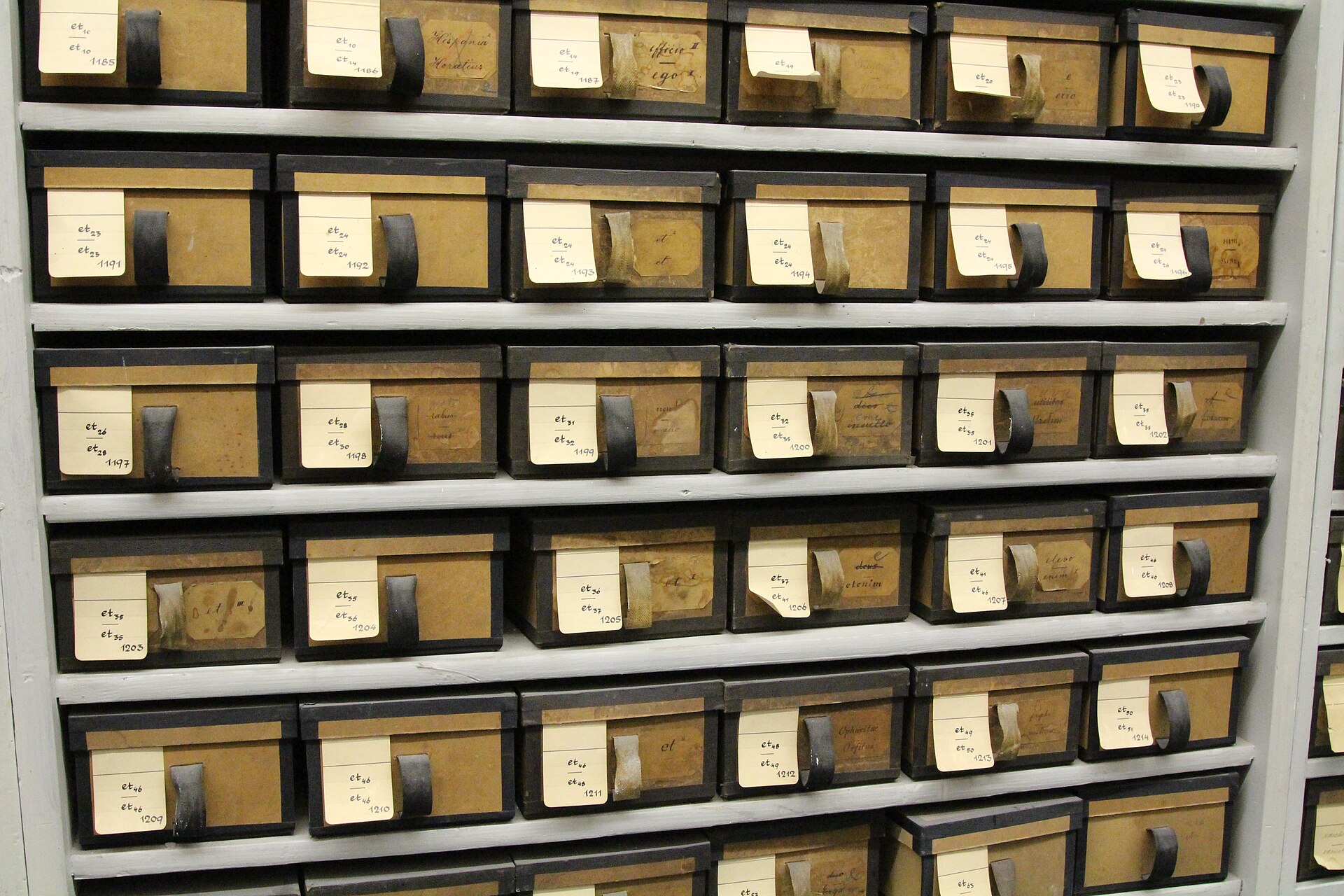
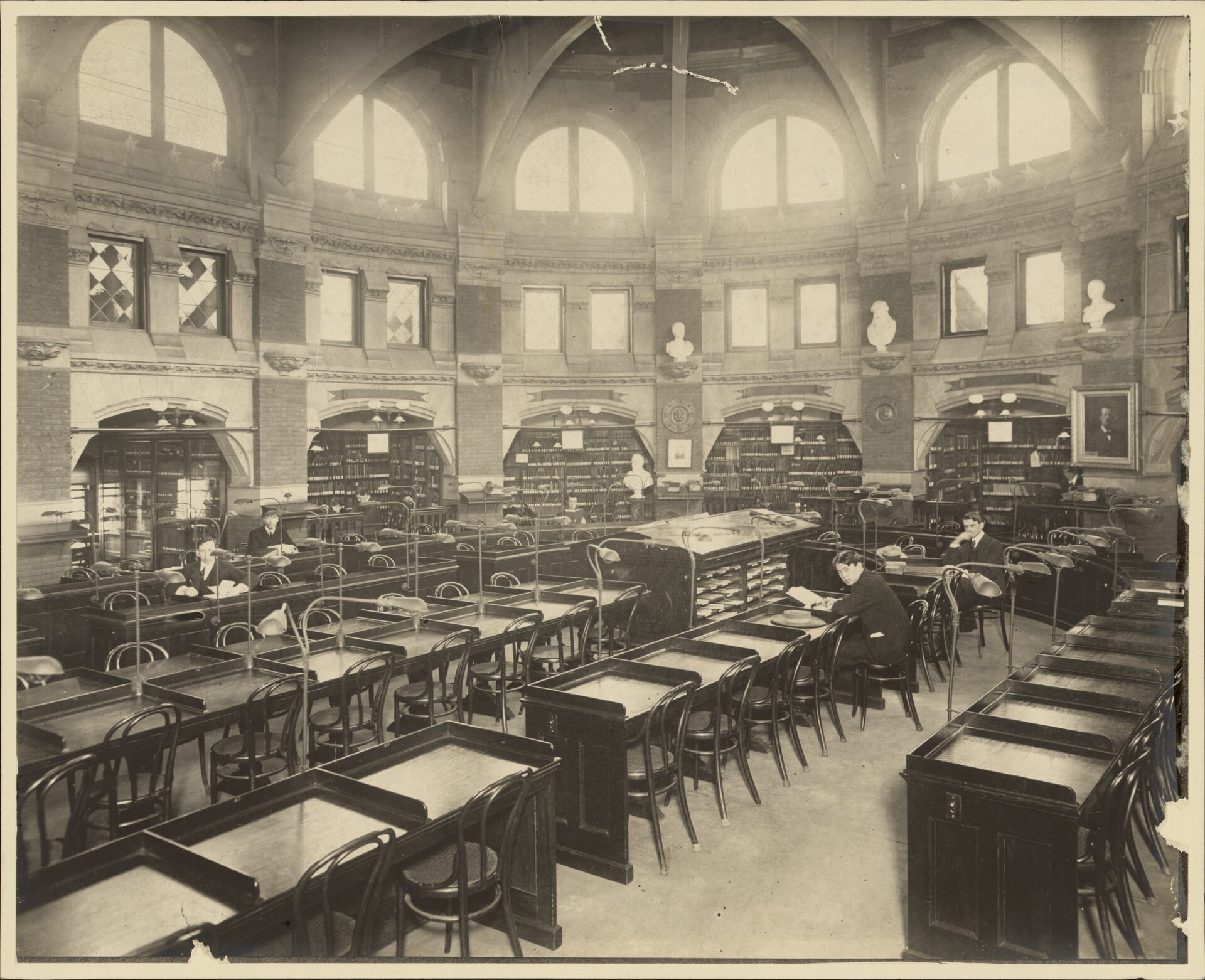
Write a line and every note that mentions the same thing is listed beside it, whether or not you linked them. The book grows sideways, the way a slip box did.
A notebook that keeps what you read and think, links it to what you already know, and brings it back before you forget.
Two pages of index, one cell for each first letter and the first vowel after it. Type a heading and see where it goes.
Seahorse goes under S e, beside The seahorse in the brain · Seven, plus or minus two · Second brain.
| Letter | a | e | i | o | u |
|---|---|---|---|---|---|
| A | |||||
| B | 1 | 1 | |||
| C | 2 | 1 | |||
| D | |||||
| E | |||||
| F | 1 | ||||
| G | 1 | ||||
| H | |||||
| I J | 1 | ||||
| K | 1 | ||||
| L | 1 | 1 | |||
| M | |||||
| N | |||||
| O | 1 | ||||
| P | 2 | ||||
| Q | |||||
| R | 2 | ||||
| S | 1 | 3 | 1 | ||
| T | 1 | ||||
| U V | |||||
| W | |||||
| X | |||||
| Y | |||||
| Z |
Free for 500 notesthen €6 a monthMac, Windows, Linux, iPhone
Write a line and every note that mentions the same thing is listed beside it, whether or not you linked them. The book grows sideways, the way a slip box did.
On day one, three, seven, twenty-one, sixty and a hundred and eighty the note returns for a look. You mark it still true, change it, or let it go.
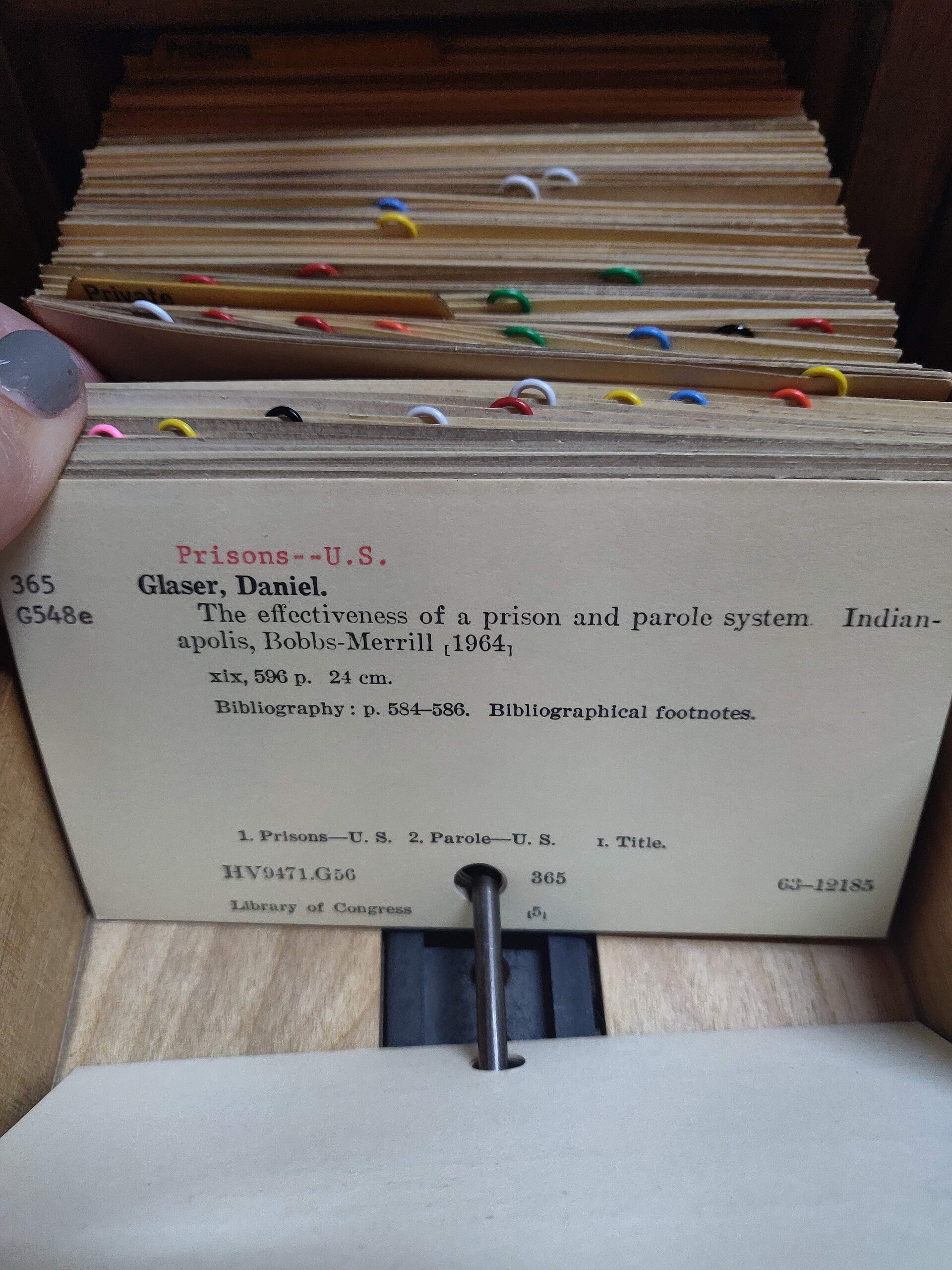
Every note is a Markdown file in a folder you chose. Sync it with your own service, back it up by copying it, open it in any other app.
Ebbinghaus measured it in 1885: without a second look, two thirds of what you read is gone within a day. Each return lands just before the next drop, so the gaps can grow.
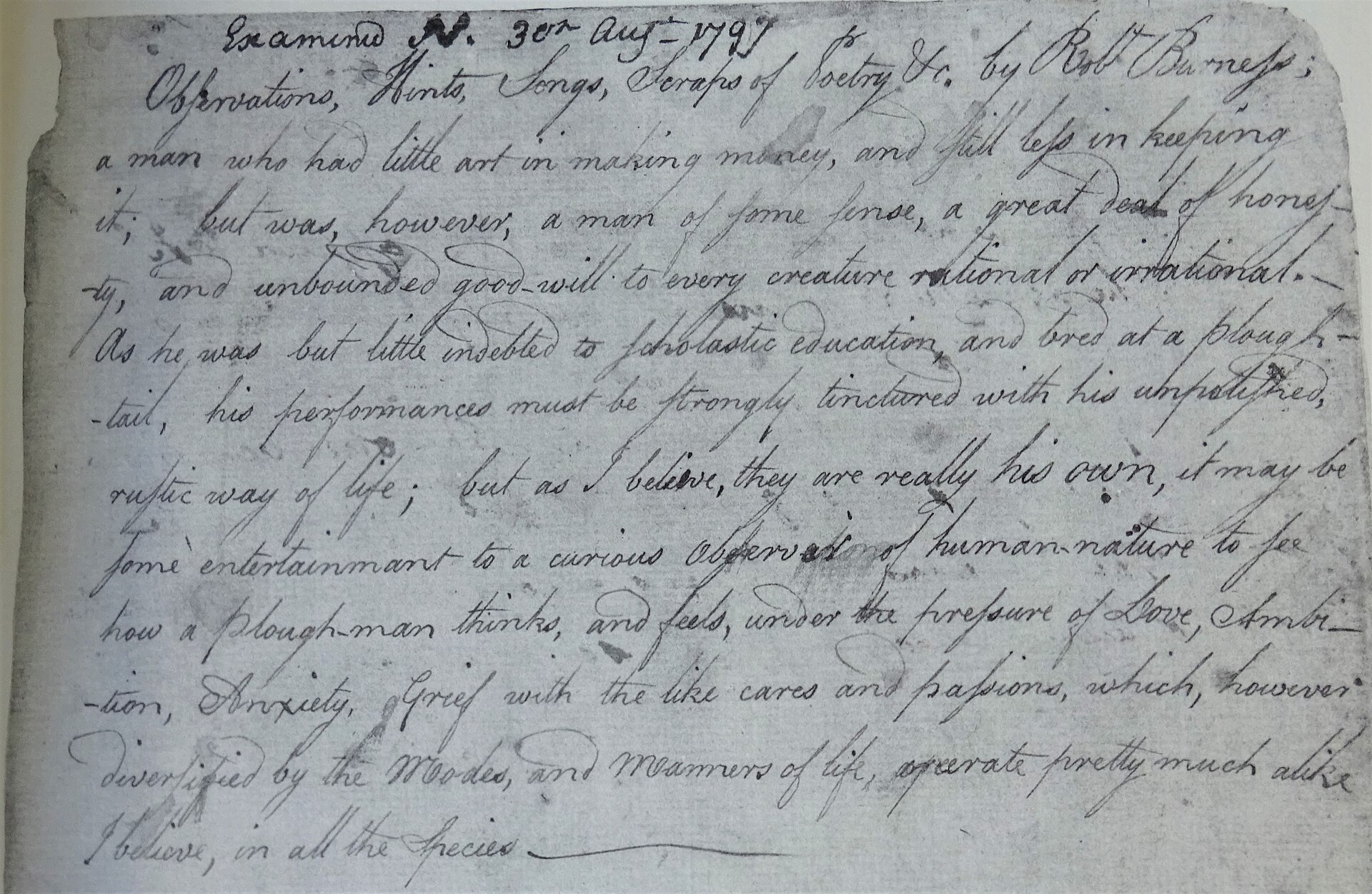
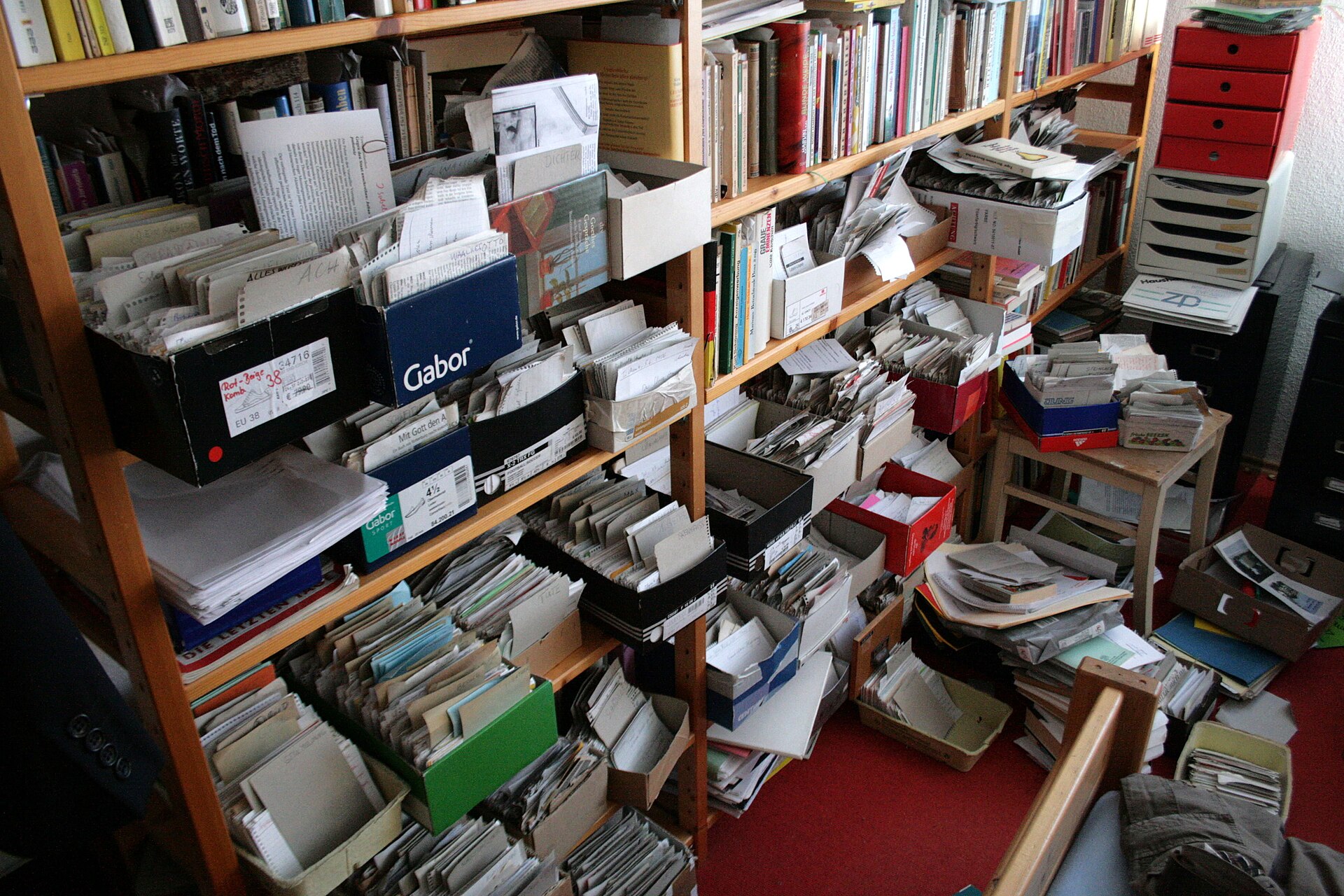
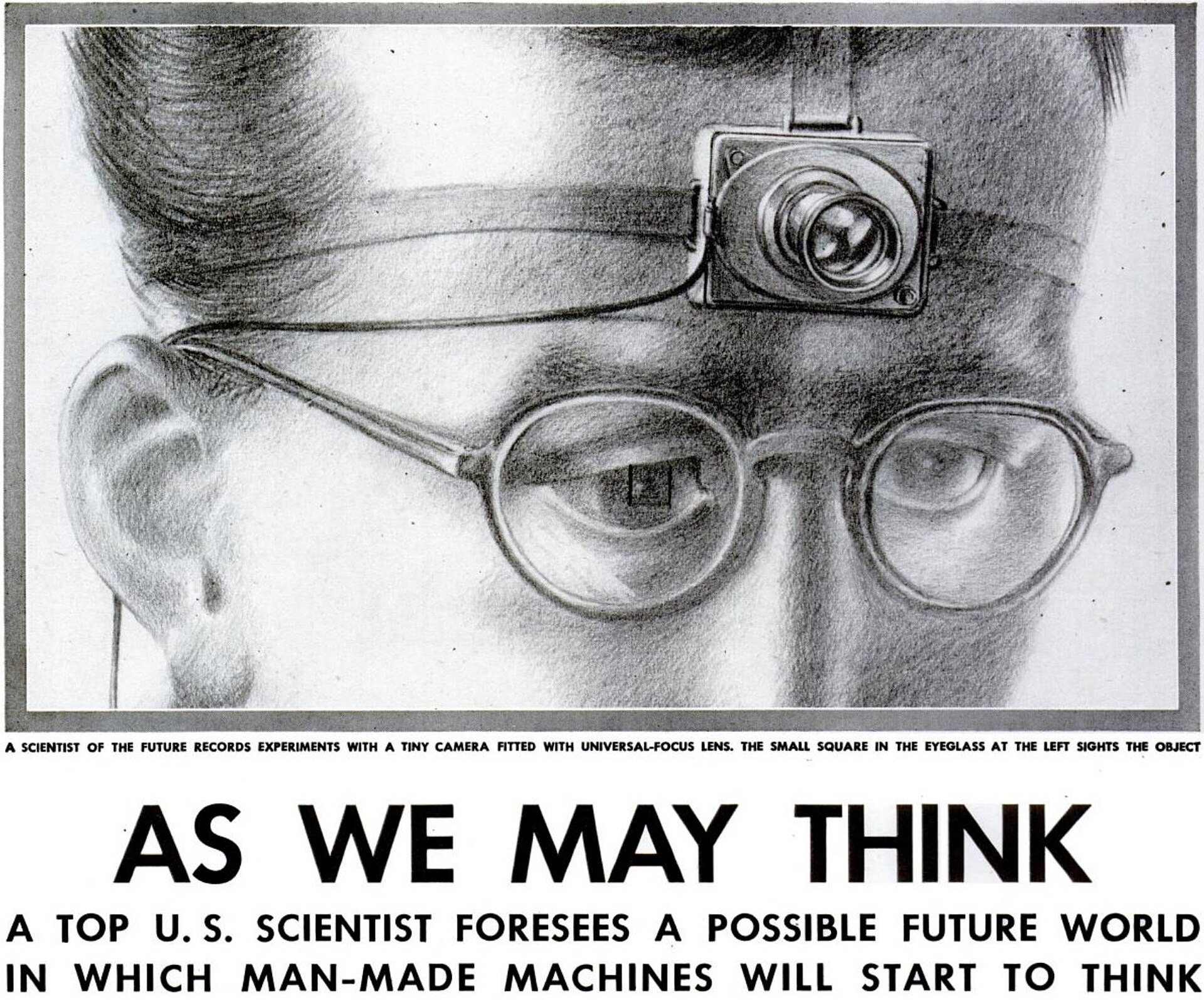
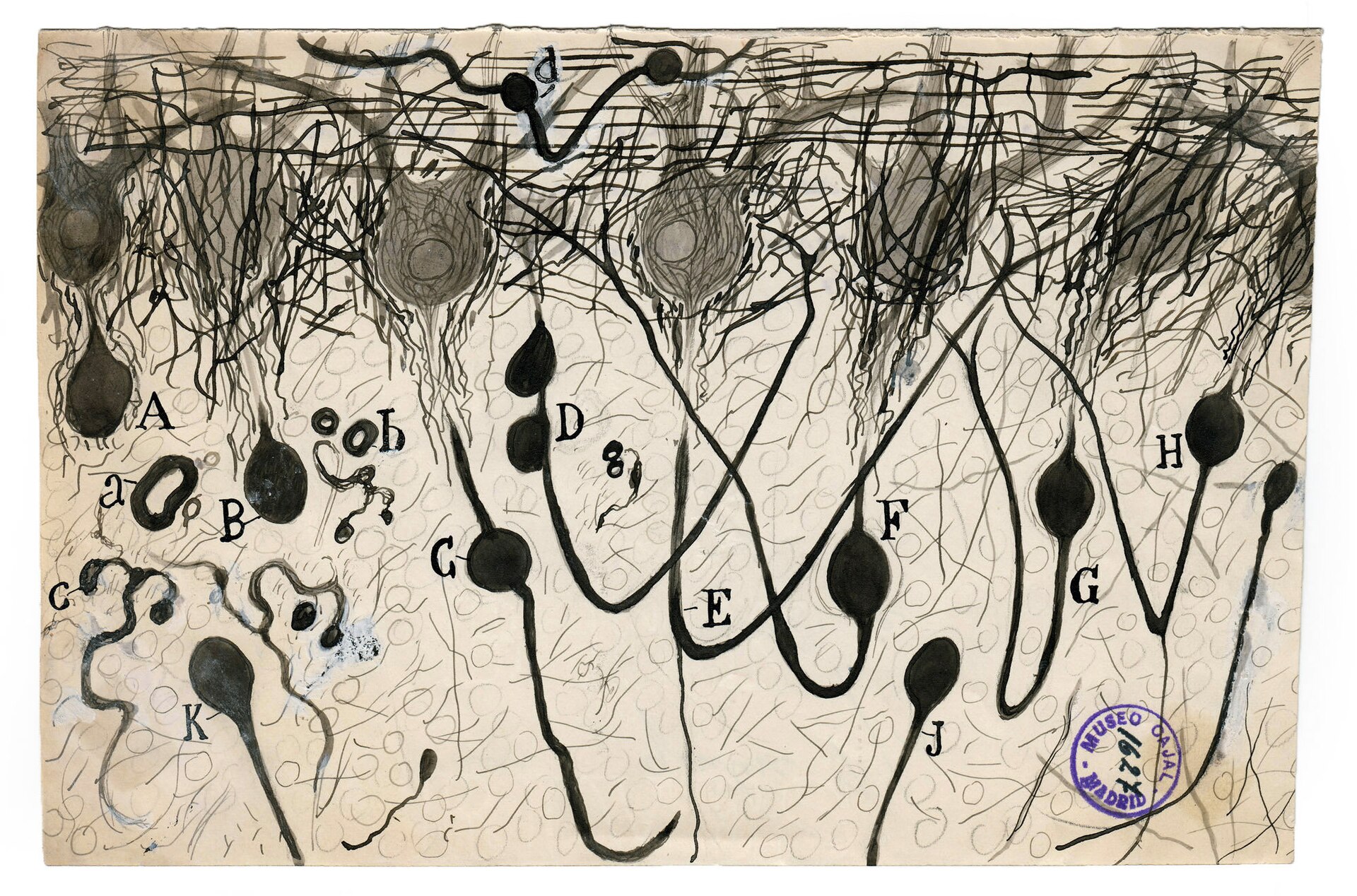
Robert Burns opened his with a preface to whoever might read it: observations, hints, songs and scraps of poetry, kept in one book from 1783.
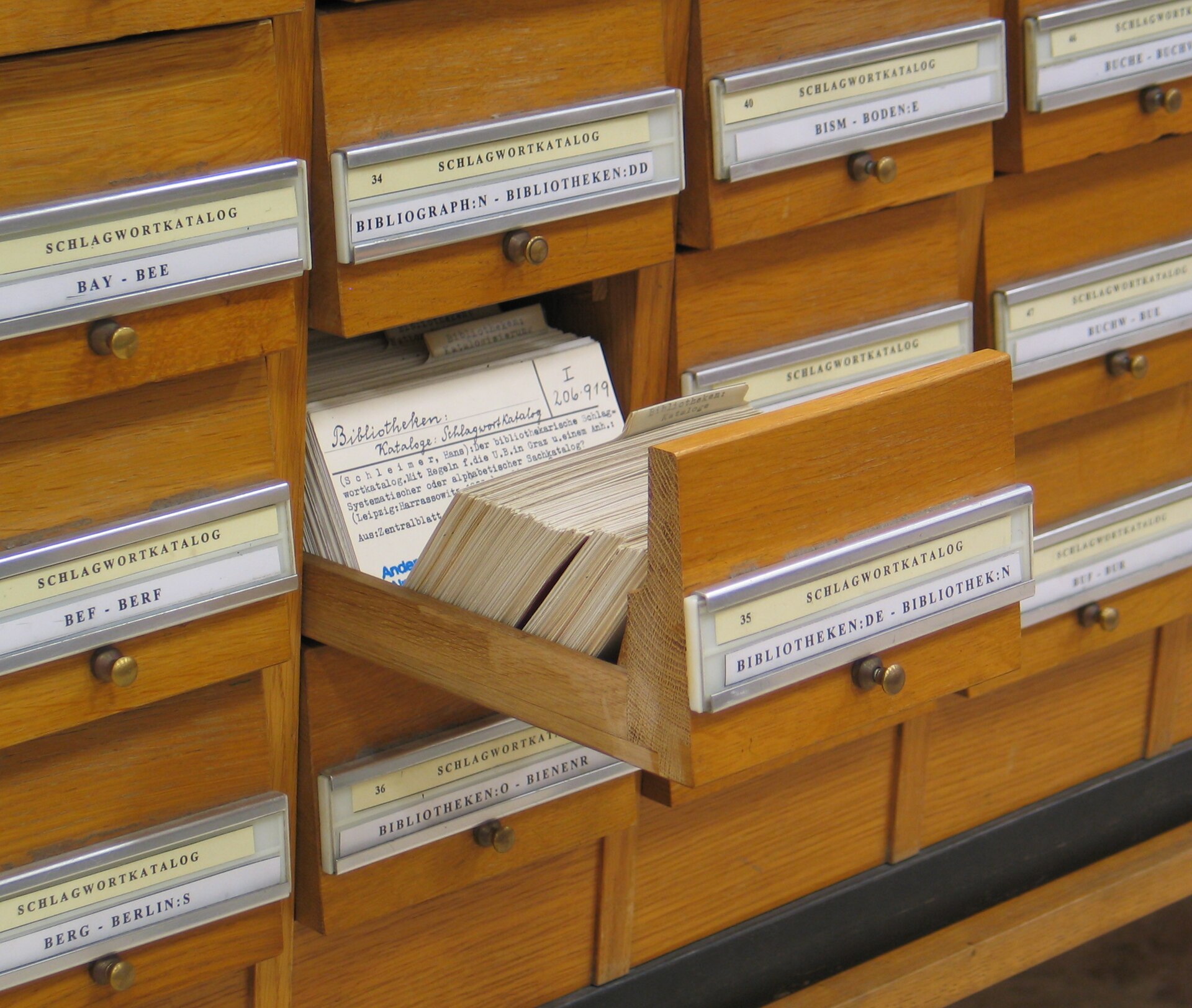
Where are my notes stored? In a folder you choose, as Markdown files. Commonplace reads and writes them in place, so a backup is a copy of the folder.
What does “comes back” mean? Each note returns on day 1, 3, 7, 21, 60 and 180 after you wrote it, then once a year. You mark it still true, edit it, or let it go.
Why those days? They follow the forgetting curve Ebbinghaus measured in 1885: each return lands just before the next drop, so the gaps can grow.
Does it need an account? Not on one device. Sync uses your own iCloud, Dropbox or any folder-syncing service. There is no Commonplace cloud.
Can I bring notes from another app? Markdown and plain-text folders are read as they are. Exports from other apps are converted on import, links kept where a target exists.
What is Locke’s index? A two-page grid from his 1706 method: every heading filed under its first letter and the first vowel after it. Commonplace keeps one for your notes, and a full-text search besides.
What happens after 500 notes? Reading, searching and the returns keep working. Writing the 501st note asks you to subscribe; the files stay yours either way.
Is there a team version? No. Commonplace is one person’s notebook. Any note can be shared as a plain file, and that is the whole collaboration feature.
Can I turn the returns off? Yes, for any note or for a whole folder. Recipes rarely need to come back; ideas usually do.
What if I stop paying? The app keeps reading, searching and returning your notes. It only stops accepting new ones past the first 500.