A reader’s book, tenth century
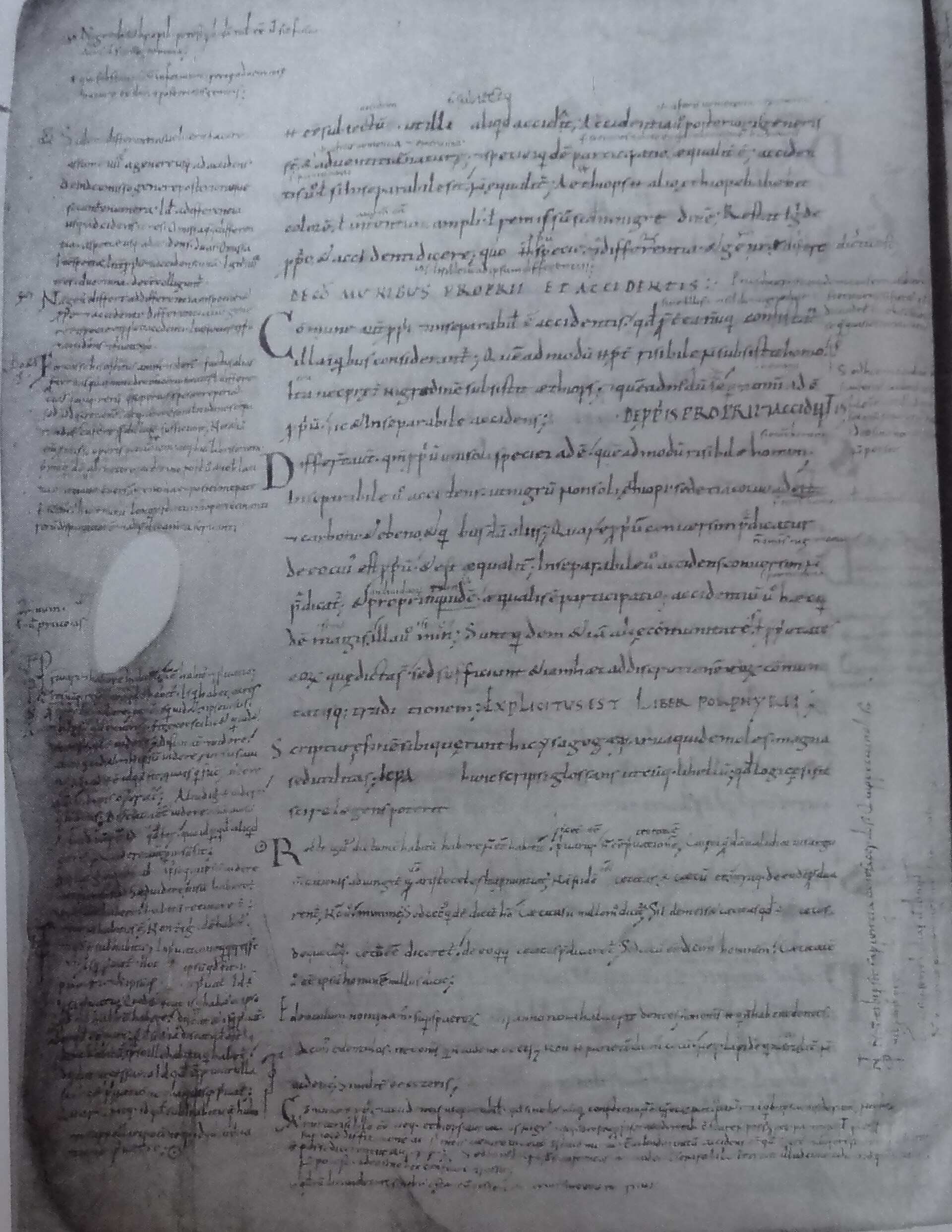
Israel the Grammarian’s notes on Porphyry, written in the margins and between the lines. The oldest habit this app has.
The picture’s source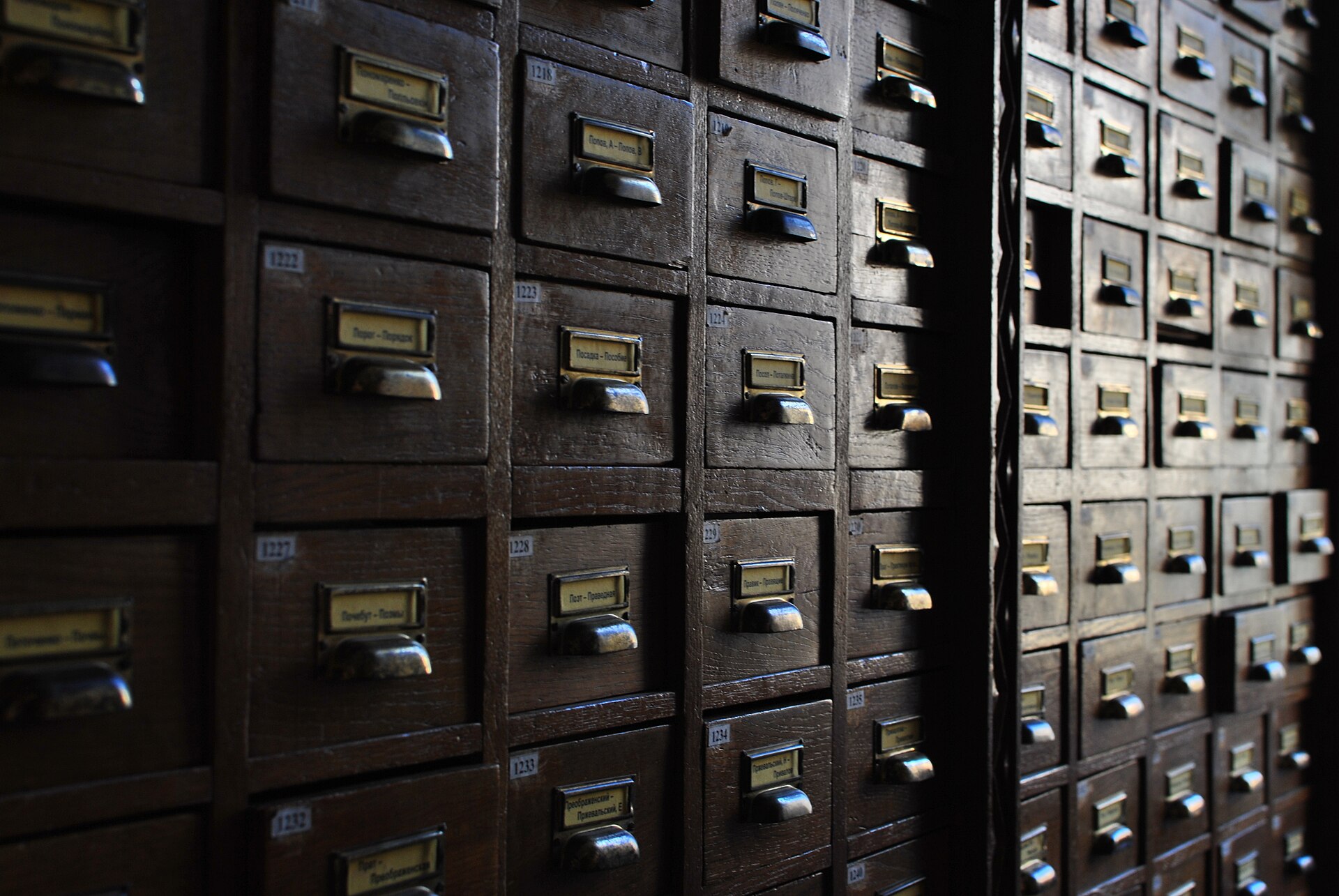 Commonplace
 is a notebook that links what you write to what you already know, and brings every note back before you forget it.
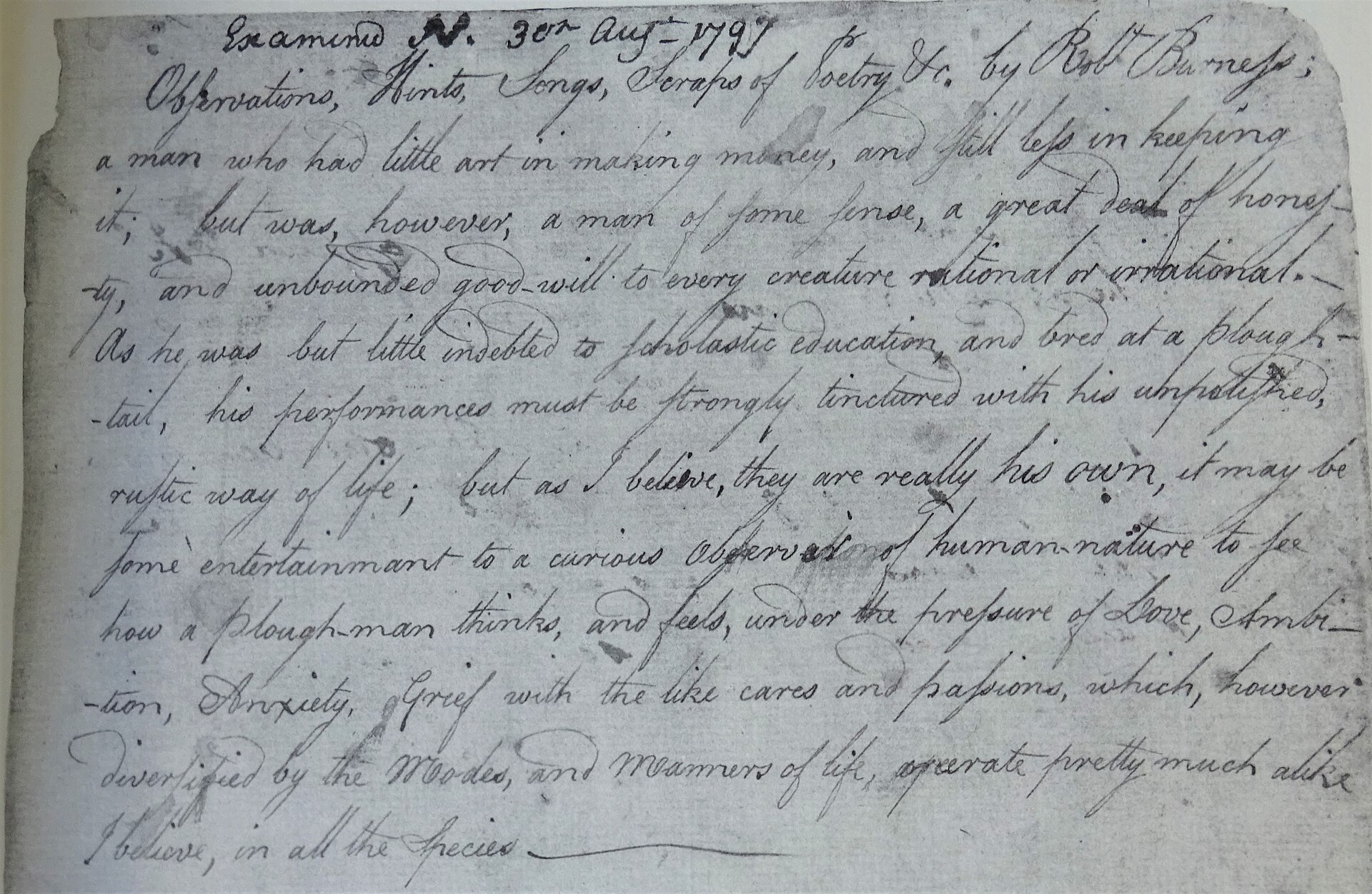
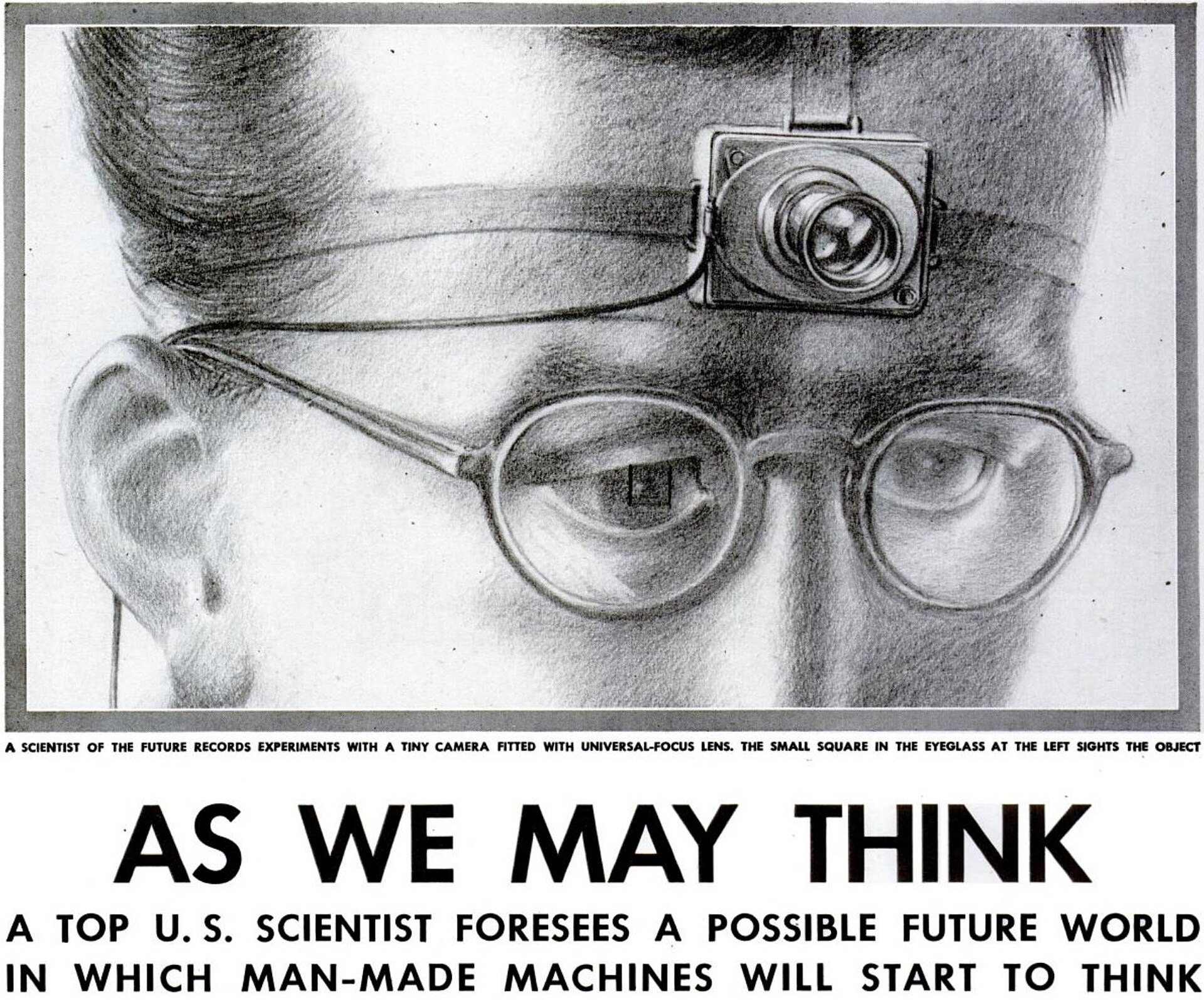
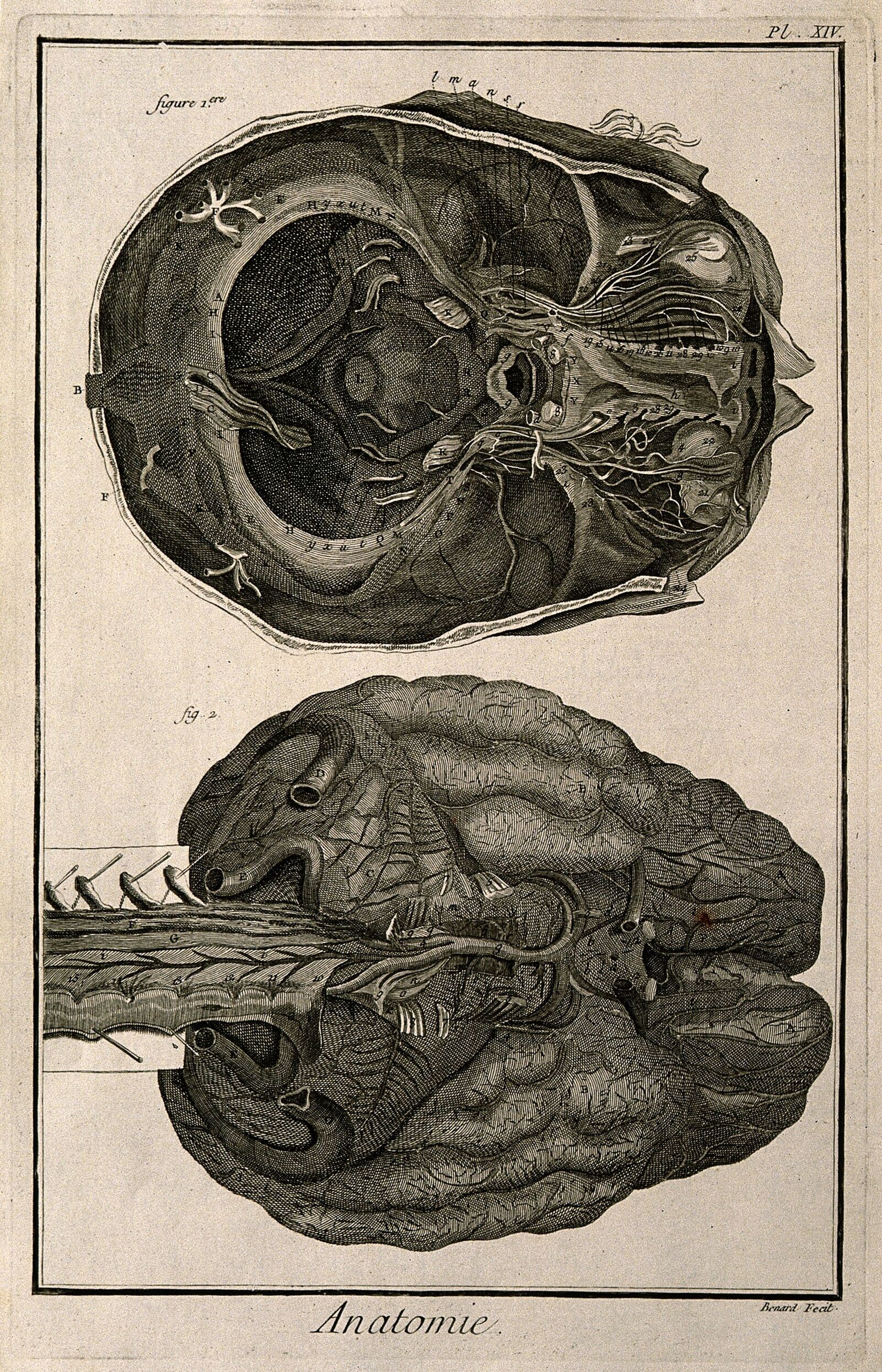
Download for MacSix things a commonplace book always did, drawn as specimens: the card, the box, the cells that keep a memory, the page, the desk that kept the trail, and the brain it all stands in for.
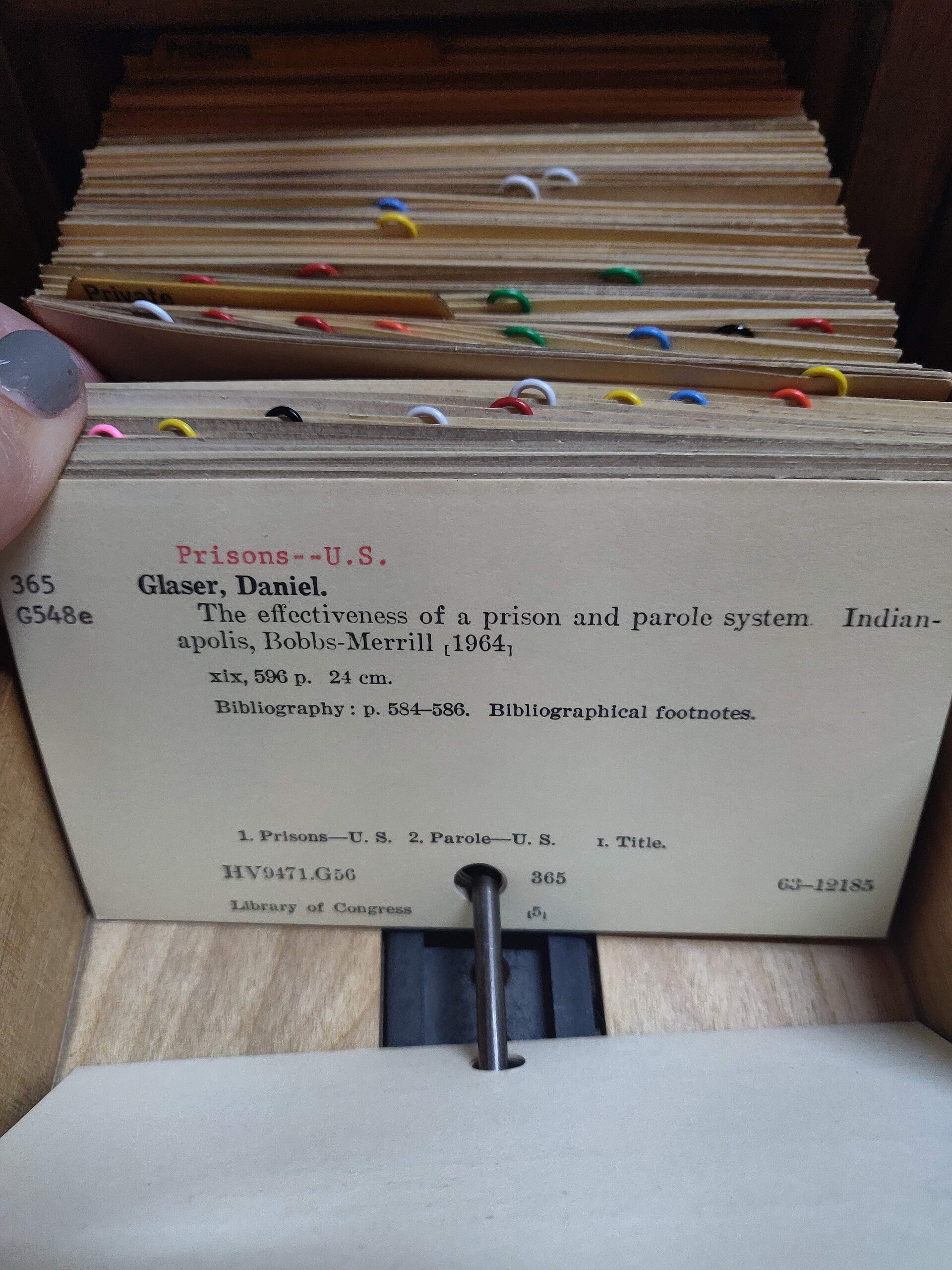
A line, a quotation, a page: any length, in plain text.
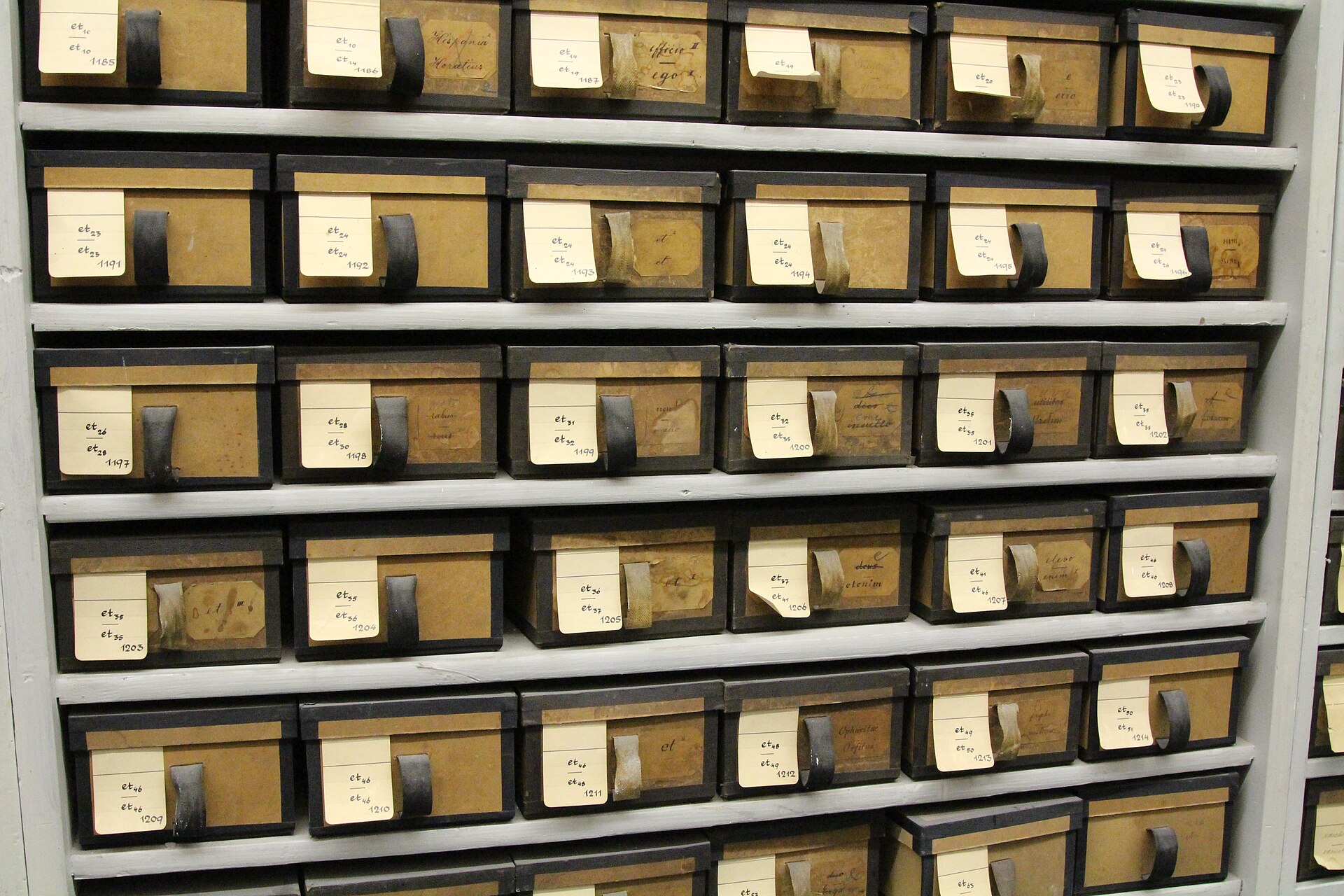
Every note that mentions the same thing, listed beside it.
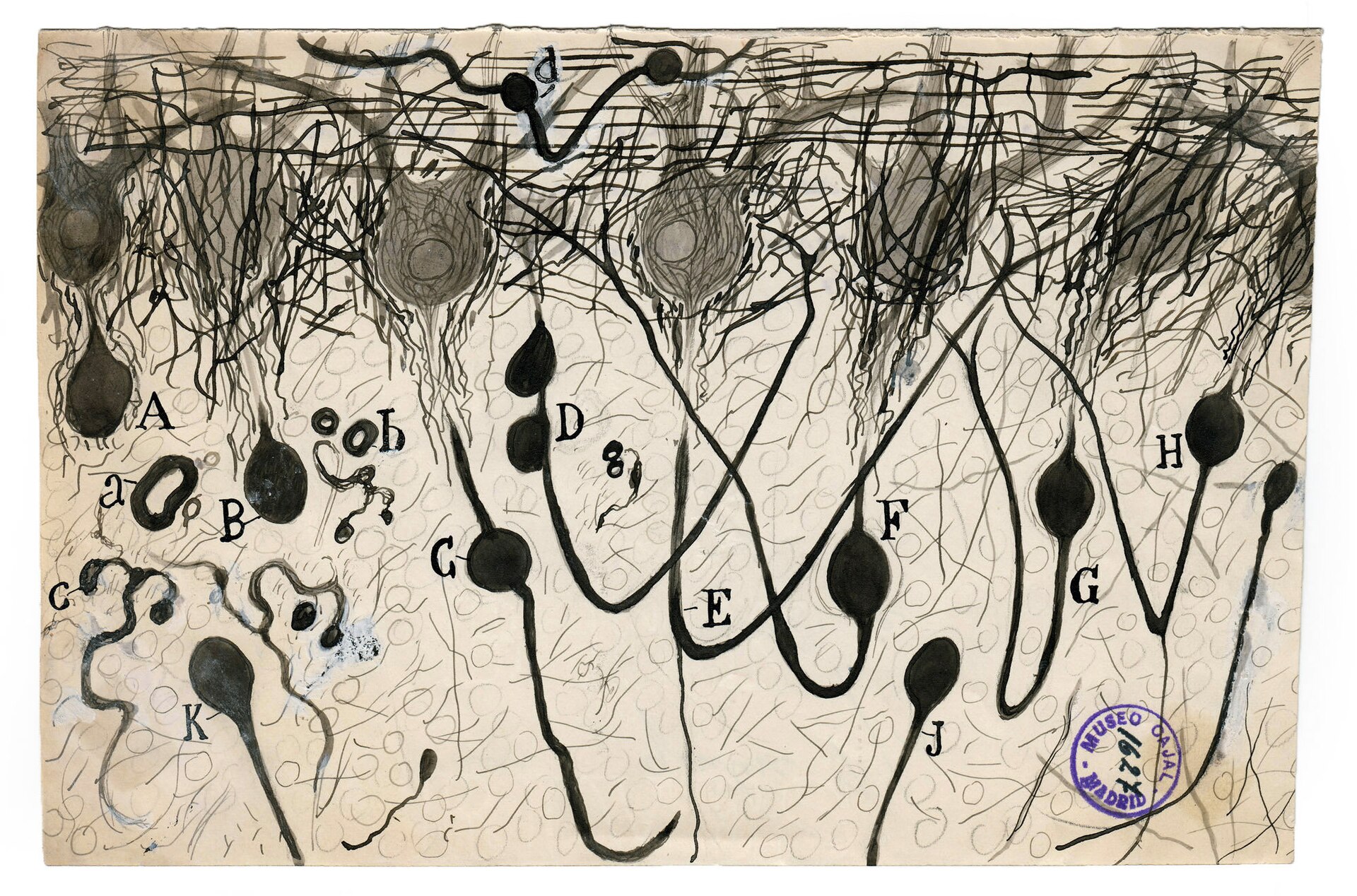
Returns on day 1, 3, 7, 21, 60 and 180, then yearly.
Your notes as pages, in your own order, not a feed.
Every word of every note, the newest first.
Plain Markdown files in a folder of your own.
A line is enough. Commonplace keeps the date, the words and whatever you were reading at the time.
“Lightness for me goes with precision and determination, not with vagueness.” Six Memos, the first lecture
Israel the Grammarian’s notes on Porphyry, written in the margins and between the lines. The oldest habit this app has.
The picture’s source
The Library of Congress, where notes were made by hand before any of them could come back on their own.
The picture’s source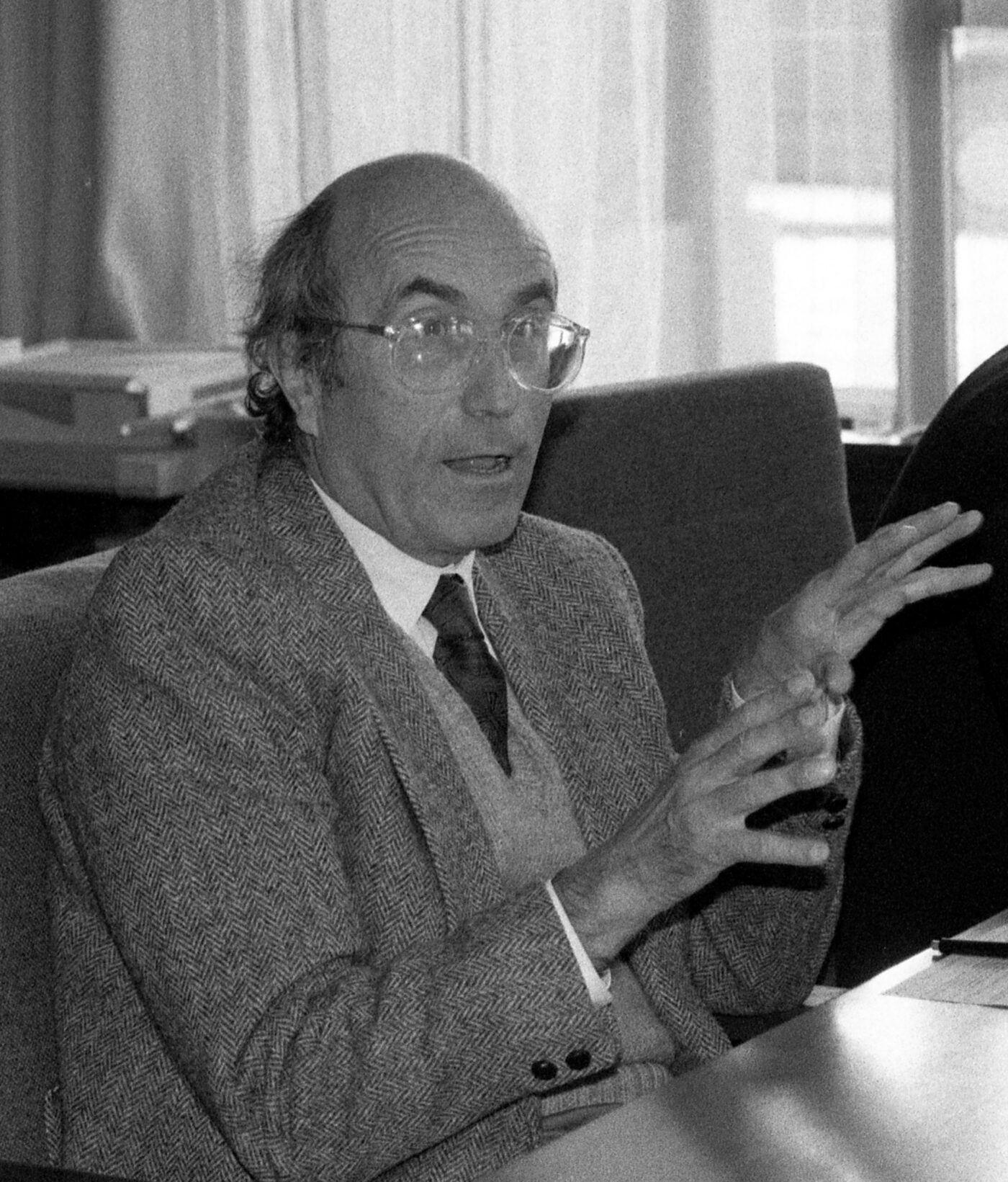
Ninety thousand slips, one set of drawers, and a notebook that, he said, answered back.
The picture’s sourceFree for the first 500 notes
Then €6 a month or €60 a year
Mac, Windows, Linux, iPhone, Android
Plain files, export any time
€6a month
Download for MacIn a folder you choose, as Markdown files. Commonplace reads and writes them in place, so a backup is a copy of the folder.
Each note returns on day 1, 3, 7, 21, 60 and 180 after you wrote it, then once a year. You mark it still true, edit it, or let it go.
Mint is what is new: a note just written, a link just found. Pink is what returns. The app uses the two the same way, so you always know which you are looking at.
Not on one device. Sync uses your own iCloud, Dropbox or any folder-syncing service. There is no Commonplace cloud.
Markdown and plain-text folders are read as they are. Exports from other apps are converted on import, links kept where a target exists.
Reading, searching and the returns keep working. Writing the 501st note asks you to subscribe; the files stay yours either way.
No. Commonplace is one person’s notebook. Any note can be shared as a plain file, and that is the whole collaboration feature.

