12345
Engram
FeaturesPricingQuestions
Download Engram

Every note you keep comes back

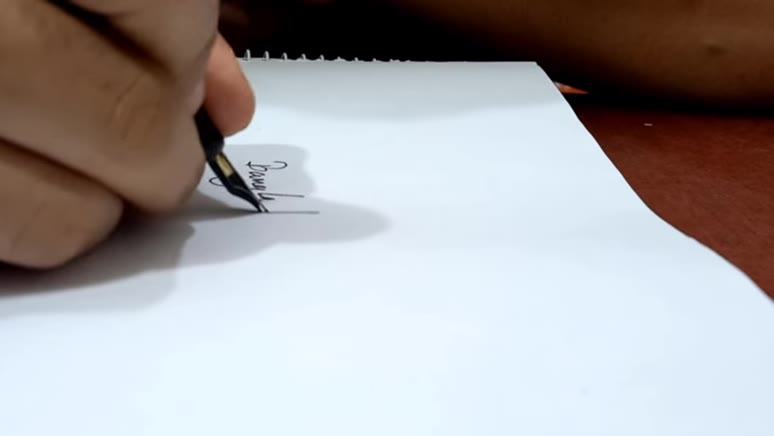
wroteWriting with a fountain pen, filmed by Wasiul Bahar, 2022A hand writing a word with a fountain pen on white paper.

Engram is a note-taking app that works as a second brain. Link notes with [[brackets]], and the old ones come back when they matter.

Search by what you meant

Engram reads your notes on your own device, so the right one turns up even when you have forgotten every word in it. Try it on fourteen sample notes.

3 of 14 notesSearched on this device
Reading2 links

Ebbinghaus: the forgetting curve

Edited 3 Feb 2026

He tested himself on lists of nonsense syllables in 1885. After a day about two-thirds were gone; after a month, four-fifths.

Reviewing at the right moment flattens the curve. See Spaced reviews, not rereading.

Linked from 3 notes
  • Sleep and memory
  • Why I keep a commonplace book
  • Spaced reviews, not rereading
  • Try

What it does for you

  1. Write it down in one keystroke

    ⌥ Space opens a blank note over whatever you are doing, on a Mac, Windows or Linux. On a phone it sits in the share sheet. Forward an email to your own address and it arrives as a note.

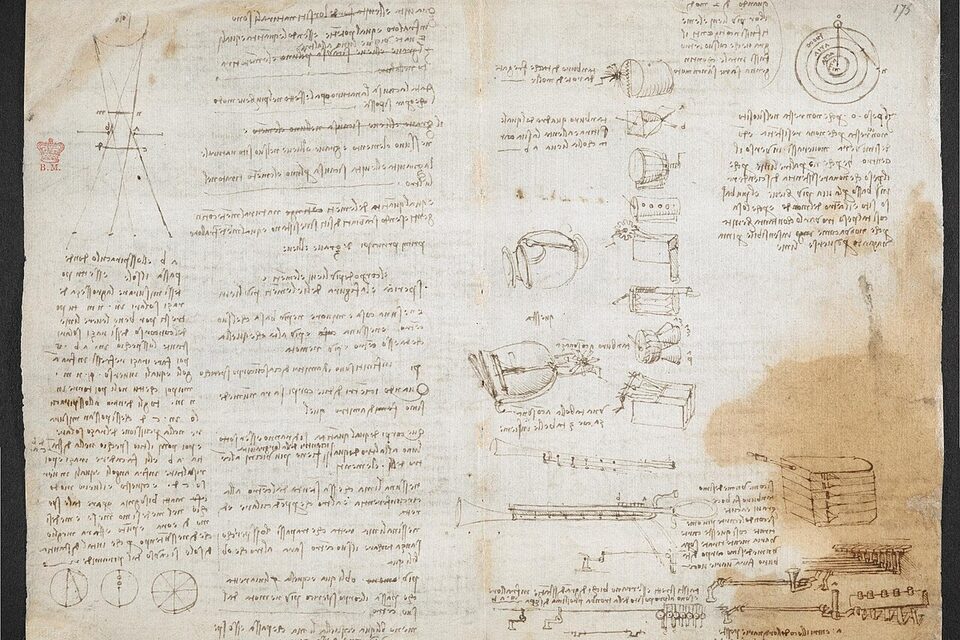
    Two pages of Leonardo’s notebook, dense with mirror writing and small sketches of machines.
    Leonardo da Vinci, Codex Arundel, about 1478–1518
  2. Link with two brackets

    Type [[ and pick a note to link it. Every note lists what links back to it, and the notes that mention it without a link, so the connections you never made still show.

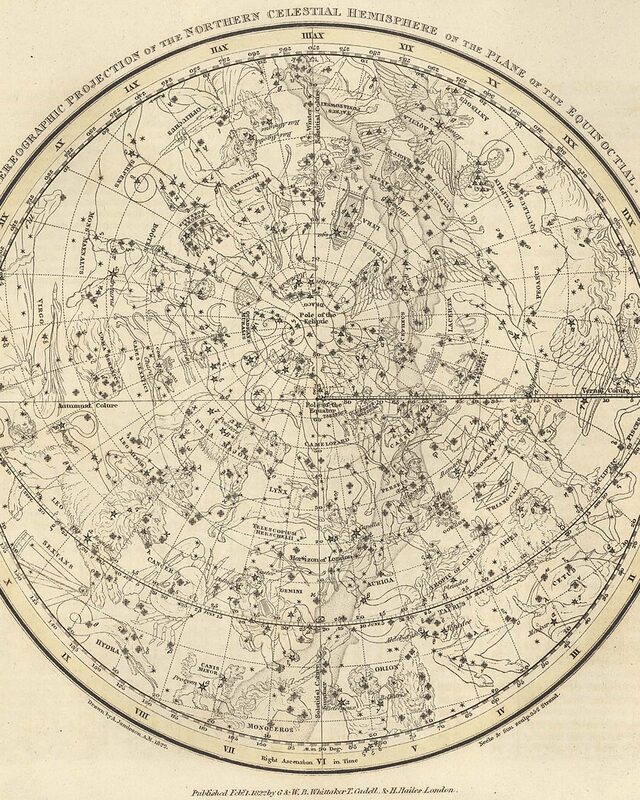
    A star chart of the northern sky with the constellations drawn as figures.
    Alexander Jamieson, Celestial Atlas, plate 1, 1822
  3. Old notes come back on their own

    While you write, up to five older notes appear in the margin, matched by meaning. At seven each morning, Engram brings back what you wrote a week, a month and a year ago.

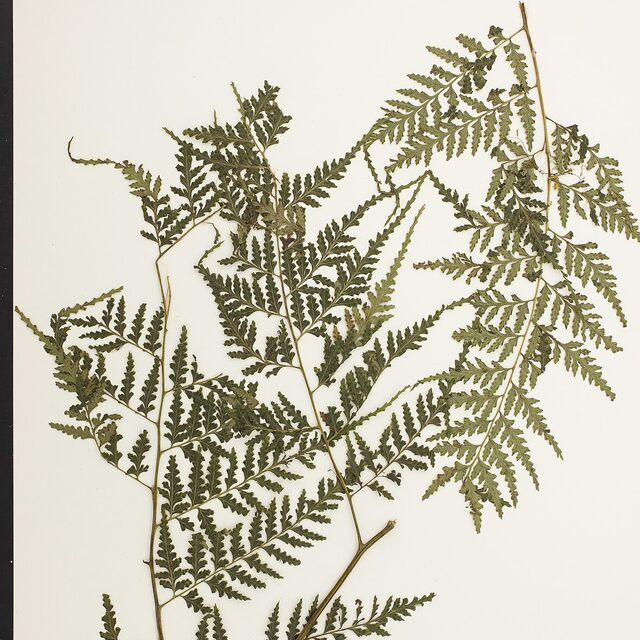
    A fern frond pressed flat on a white herbarium sheet.
    Saccoloma inaequale, pressed for the Intermountain Herbarium
  4. It reads your photos and PDFs

    Words in scans, screenshots, receipts and photographed whiteboards are recognised on the device, so a search finds the word inside the picture.

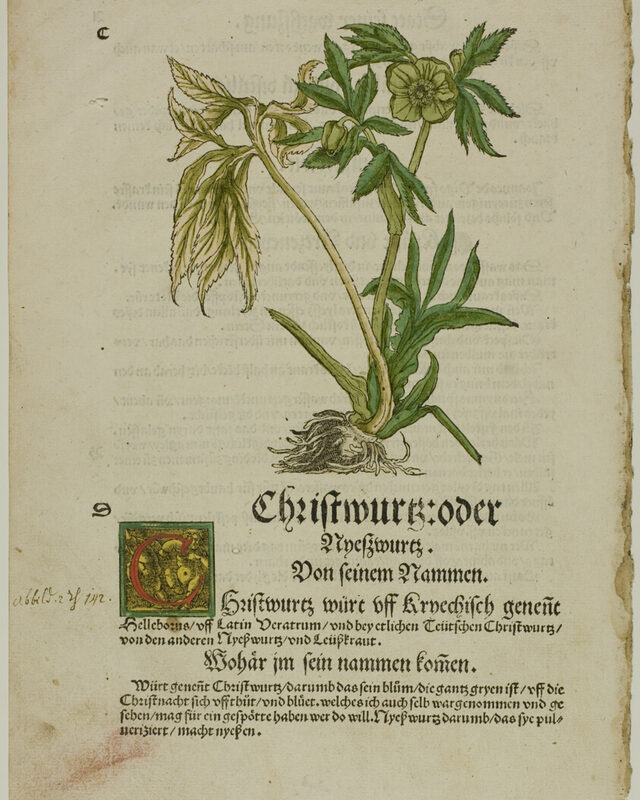
    A woodcut of a hellebore plant above its printed German name and description.
    Hans Weiditz, hellebore from a herbal, 1532
  5. Your notes are plain files

    Every note is a Markdown file in a folder on your own disk. Any text editor opens it. It works offline, syncs end-to-end encrypted, and leaving means copying a folder.

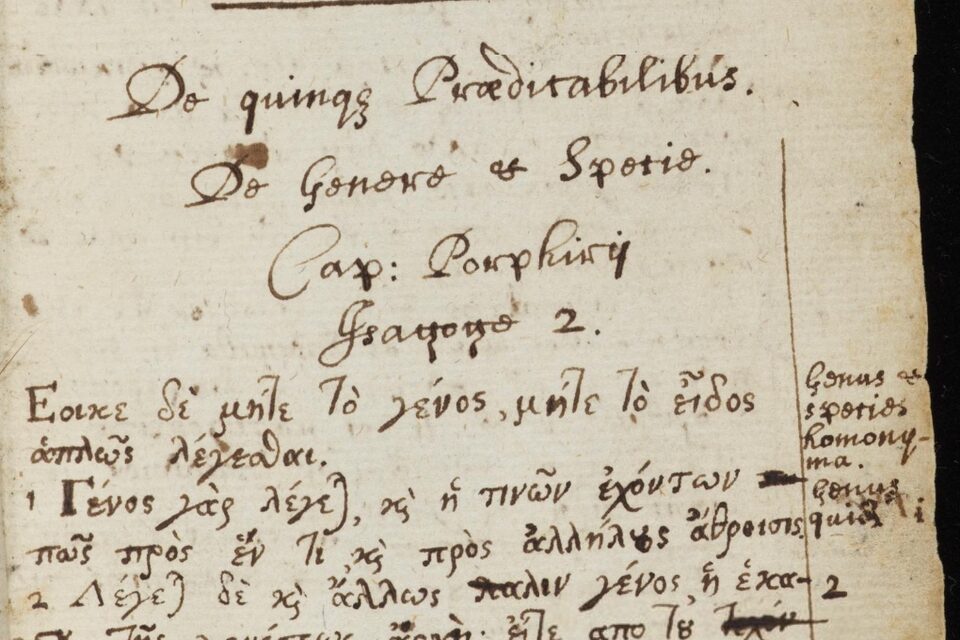
    A handwritten page in Latin and Greek from Isaac Newton’s student notebook.
    Isaac Newton’s student notebook, about 1661–65

Your part takes seconds

Two secondsFirst, press ⌥ Space and write the thought down.
A few keystrokesThen link it to what it is about with [[.
Weeks, months, yearsMeanwhile, forget it. Engram holds it on your disk, indexed.
The moment it mattersLast, it comes back: in the margin, or at seven one morning.
  1. First, press ⌥ Space and write the thought down.
  2. Then link it to what it is about with [[.
  3. Meanwhile, forget it. Engram holds it on your disk, indexed.
  4. Last, it comes back: in the margin, or at seven one morning.

Why it’s called Engram

Coined
1904, by Richard Semon
Kept
On your disk, as Markdown
Write to
hello@engram.app

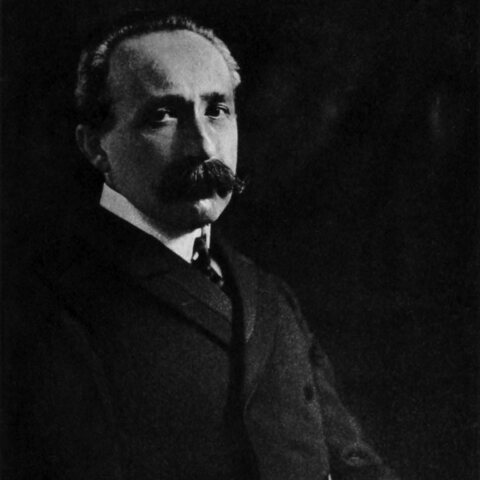
Portrait photograph of Richard Semon, a man with a heavy moustache, in a dark suit.Richard Semon, a German zoologist, gave the name engram in 1904 to the trace an experience leaves in the brain: the physical stuff a memory is made of. Karl Lashley spent thirty years looking for one and never found it. We borrowed the word for something plainer, a trace you can open, search and link, kept in a folder on your own computer.

Engram makes its money from Sync, not from your notes. There are no ads, and nothing you write is used to train anything.

Every device for $6 a month

Engram is free forever on one device, with every feature except sync. Sync adds end-to-end encrypted copies on all your devices, a year of version history and 20 GB for attachments. It is $60 if you pay for the year.

Download Engram
  • Family: $10 a month for five people
  • Students and teachers: Sync is free

Questions

Where do my notes live?

In a folder on your own disk, as plain Markdown files, one per note. With Sync, an encrypted copy goes to our servers so your other devices can fetch it. We hold the files but not the key, so we cannot read them.

How does it find old notes without reading them?

A small model, about 80 MB, runs on your device and indexes your notes there. Nothing is sent away to be read, and resurfacing works on a plane.

Can I bring my notes from Notion or Evernote?

Yes. Engram imports Apple Notes, Evernote (.enex), Notion exports, Obsidian vaults and any folder of Markdown, and keeps links and attachments where the source has them.

What happens to my notes if Engram shuts down?

You keep them: they are files in a folder you own. The free app never needs our servers, so it carries on working.

Is there a web version?

Not yet. Engram runs on macOS, Windows, Linux, iPhone, iPad and Android. To share something, publish a single note as a web page.

Can I share notes with someone?

Publish one note as a web page, or, on the Family plan, keep a shared vault beside each person’s private one.

Is it free for students?

Sync is free for students and teachers with a school email address. Everything else is free for everyone, on one device, for as long as you like.
Opens an email to us with your platform filled in, and we reply with the link. Free on one device, and no account needed.

Engram

A note-taking app that works as a second brain. Free on one device; Sync is $6 a month.

For macOS, Windows, Linux, iPhone, iPad and Android.

Back to top

hello@engram.app

  • Features
  • Pricing
  • Questions
  • Privacy

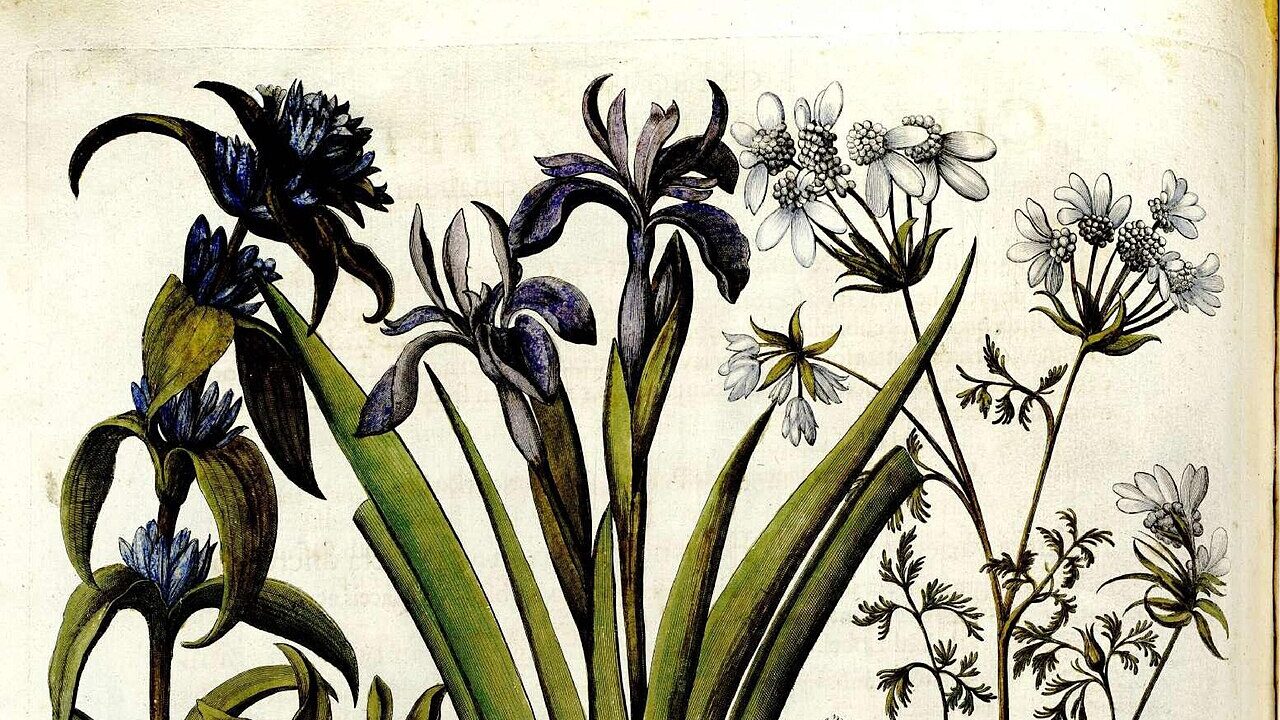
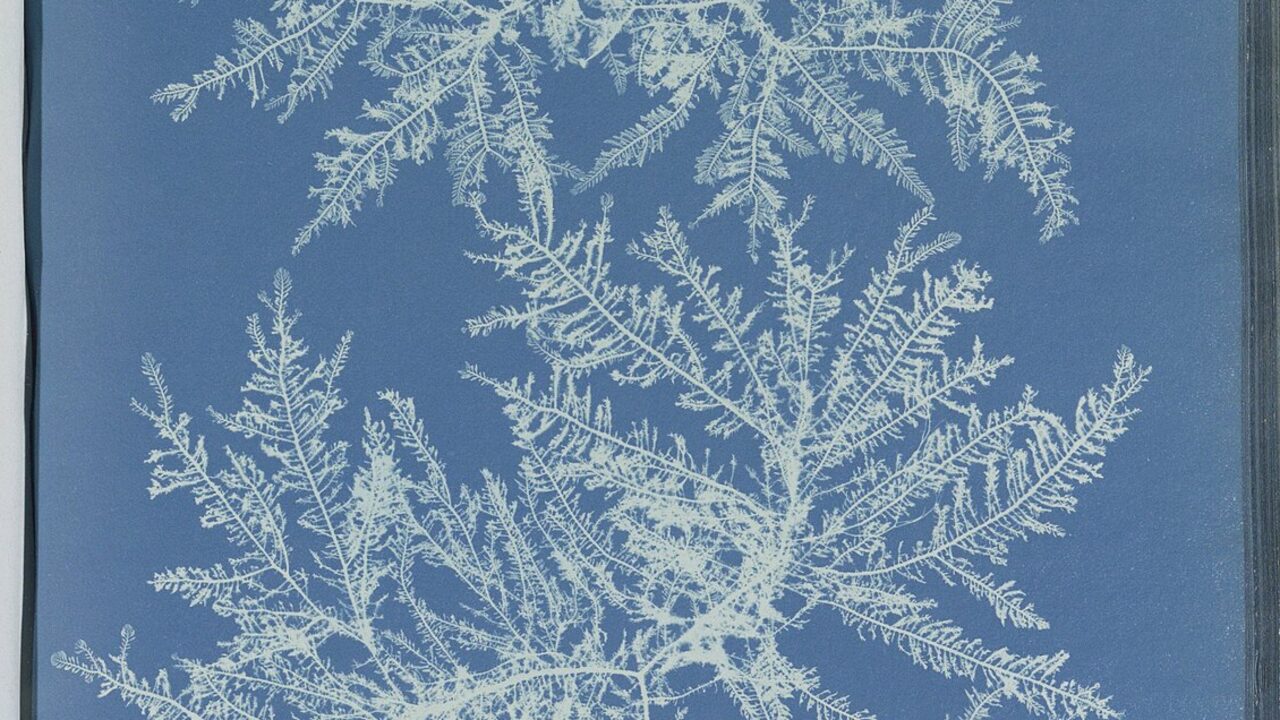
Pictures: Writing with fountain pen by Wasiul Bahar, CC BY-SA 4.0; Darwin Tree 1837, Charles Darwin; Hortus Eystettensis, Basilius Besler; Ptilota plumosa, Anna Atkins, Rijksmuseum, CC0; Zeecaart van de Rivier van Lisbon, BnF; Codex Arundel, Leonardo da Vinci; Celestial Atlas, plate 1, Alexander Jamieson; Saccoloma inaequale, Intermountain Herbarium, CC0; Christwurz (Hellebore), Hans Weiditz, Art Institute of Chicago, CC0; Newton’s Organon notebook, Cambridge Digital Library; Richard Semon, photographer unknown. All public domain unless marked, via Wikimedia Commons.

© 2026 Engram