Free
$0 forever
- One device
- Unlimited notes and links
- Resurfacing and search
- Import from anywhere
Engram is a note-taking app that works as a second brain. Link your notes with [[brackets]], and the old ones come back in the margin just before you’d forget them.
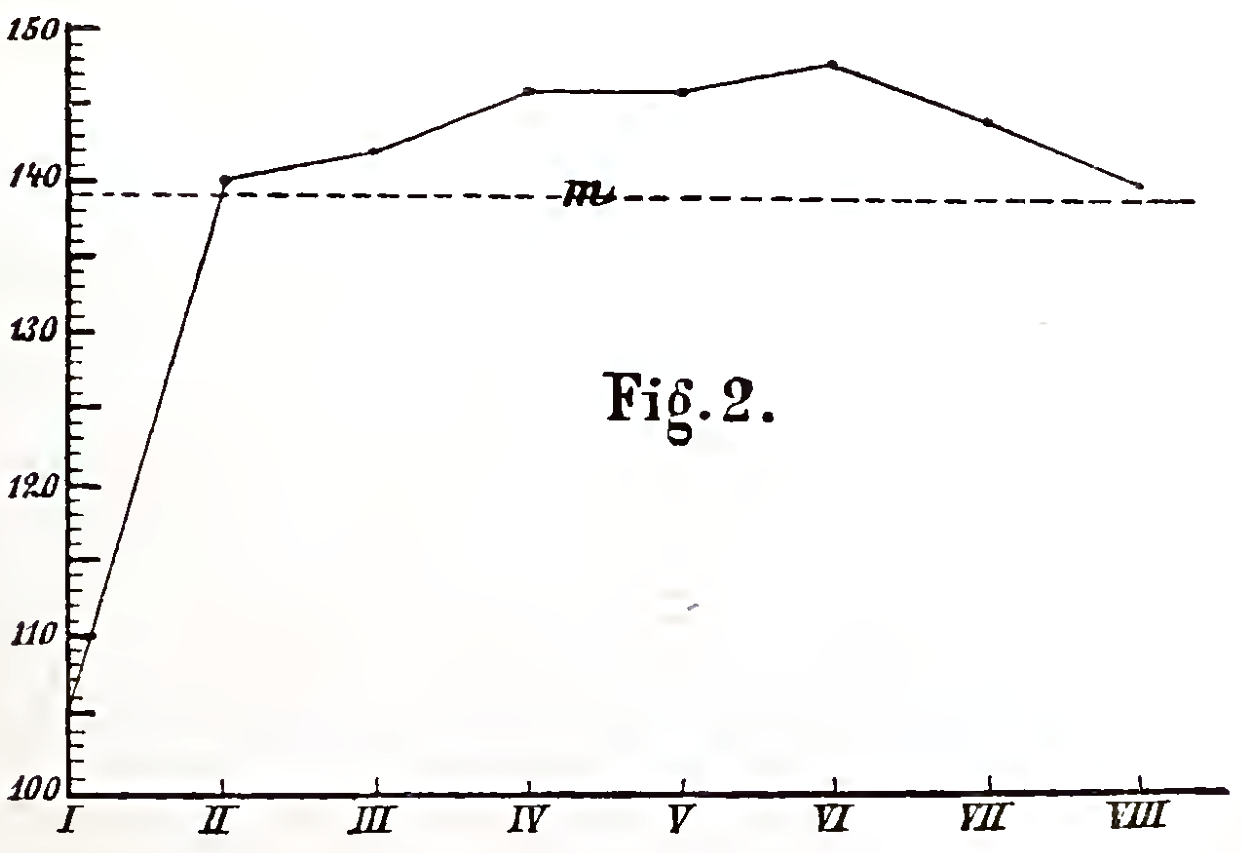
Download EngramWhat you keep of a note, with Engram: Ebbinghaus’s forgetting curve, lifted each time the note returns.
In 1885 Hermann Ebbinghaus tested his own memory and found that a month after learning something, about a fifth of it was left. Engram brings each note back before that happens: after a day, a week and a month, and whenever you write something close to it.
Press ⌥Space and a note opens over anything. Type [[Sleep and memory]] to link it to another. As you write, older notes on the same thought 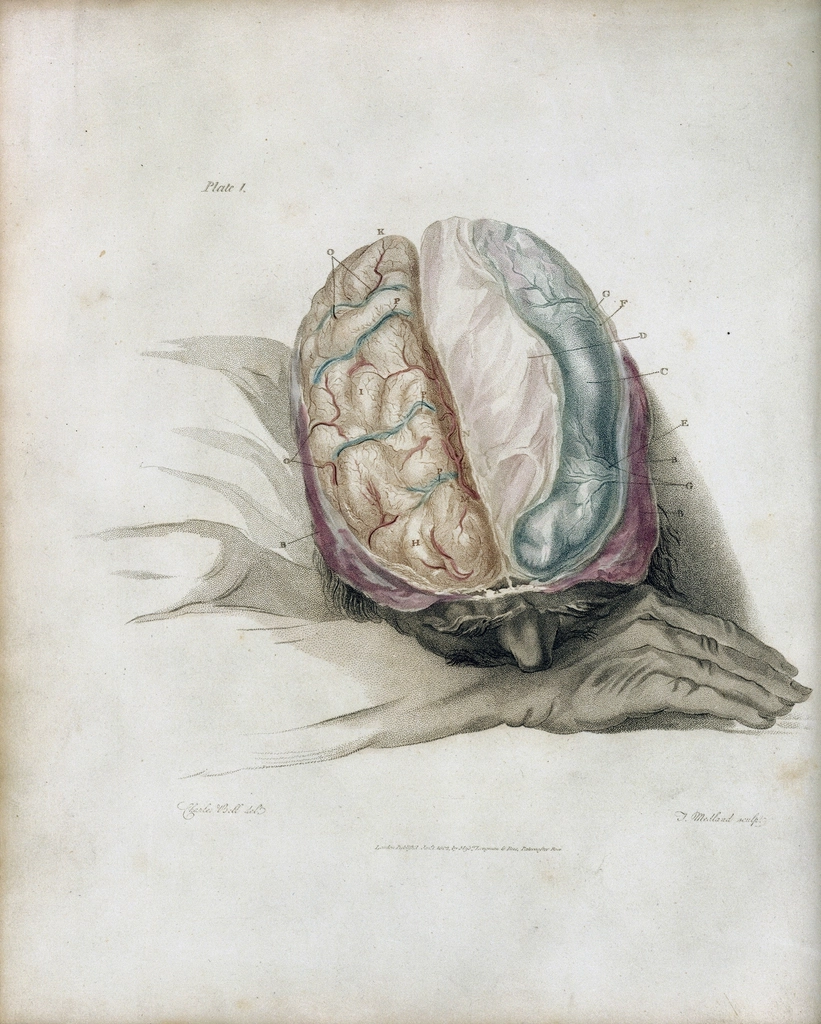 rise in the margin. And each one is plain Markdown, as lasting as a printed page
 .
Engram runs on Mac, Windows, Linux, iPhone and Android, and imports your notes from Notion, Evernote, Apple Notes and Obsidian.
Download Engram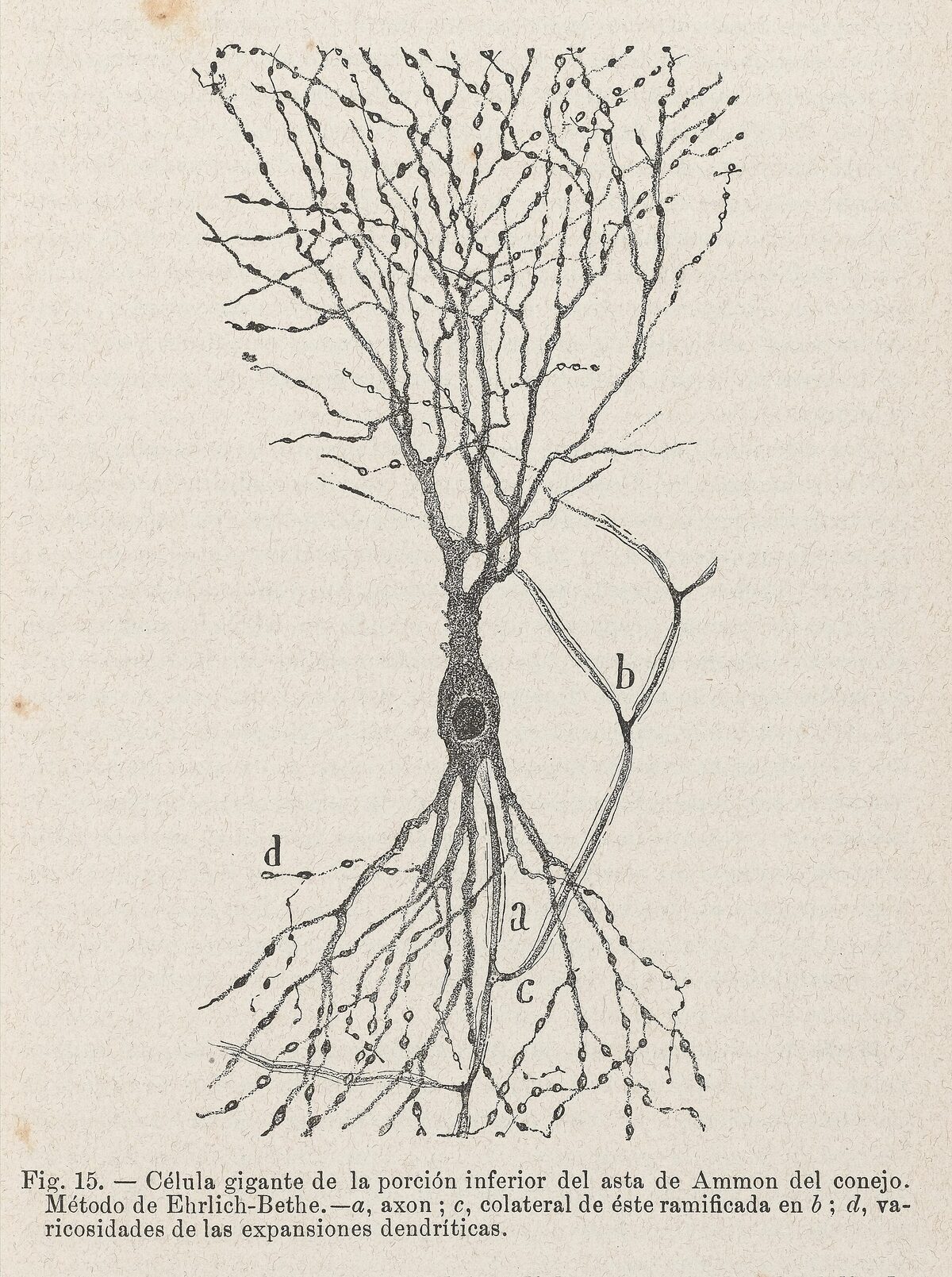
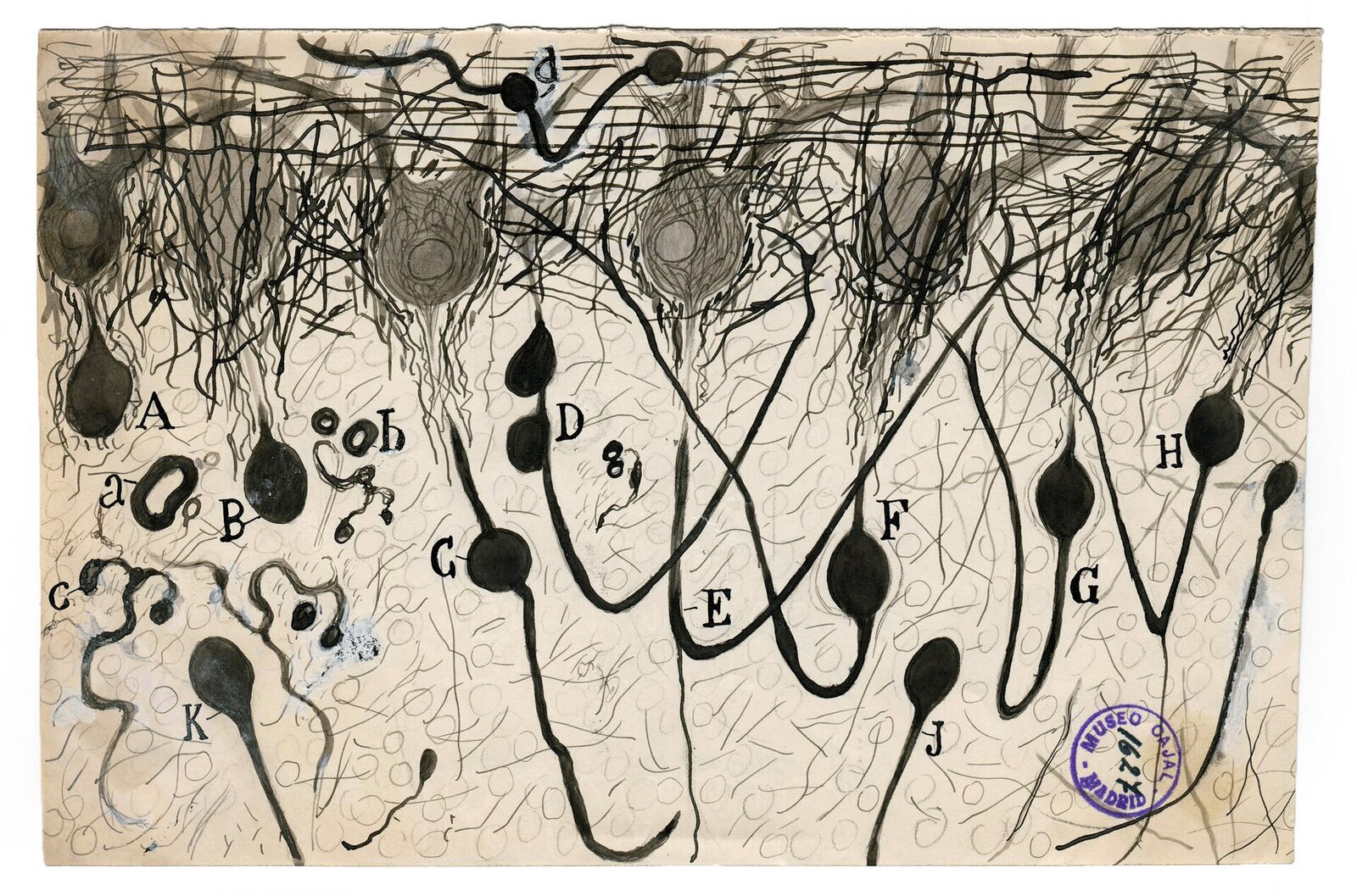
A cell of the hippocampus, where new memories are made. Santiago Ramón y Cajal.
Nerve cells of the cerebellum, drawn in ink around 1900.
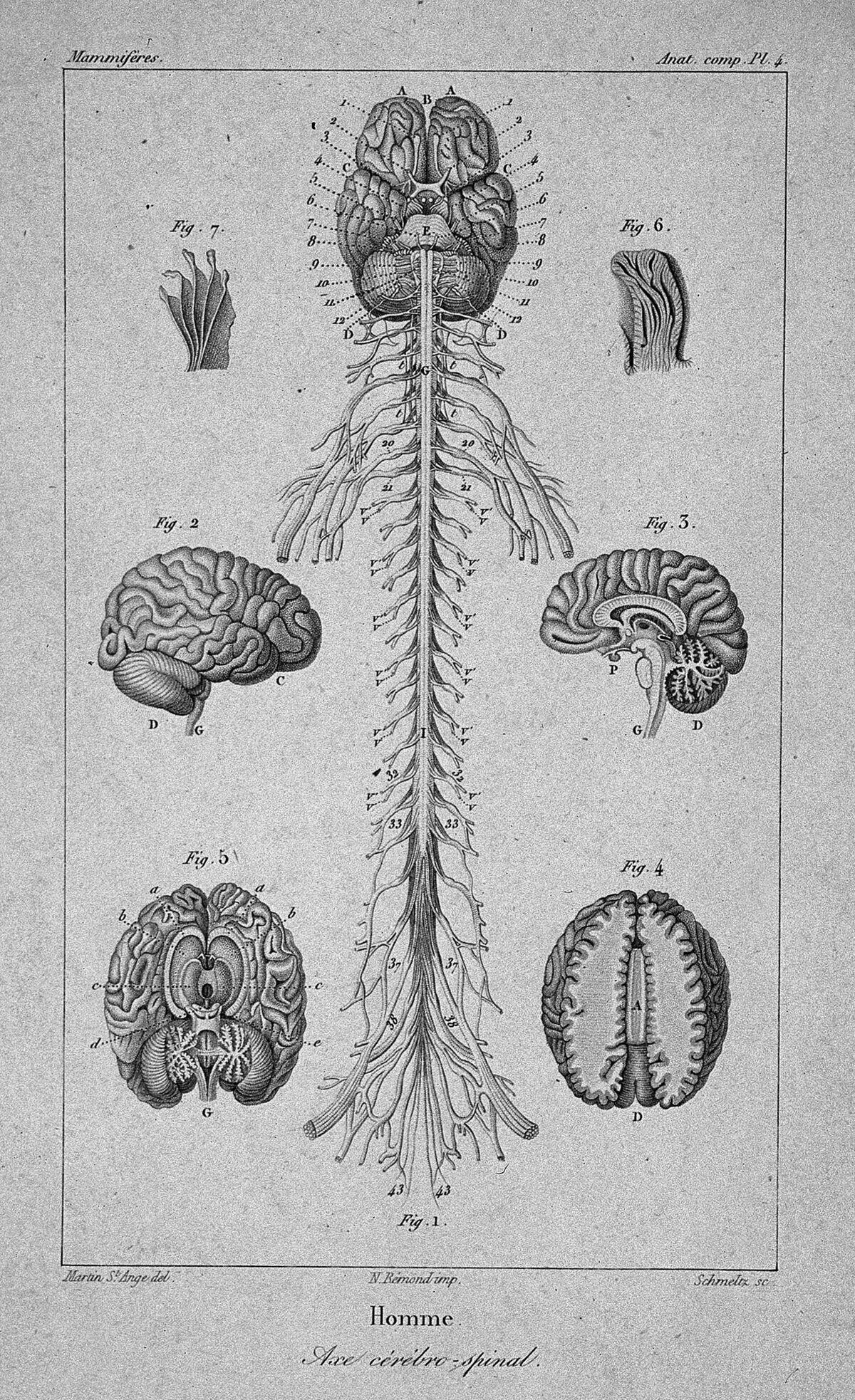
The brain and spinal cord, a stipple engraving from an early 19th-century atlas.
An engram is the physical trace a memory leaves in the brain. The biologist Richard Semon coined the word in 1904; Karl Lashley spent thirty years looking for one and never found it. A note is a trace you can keep.
Your notes are Markdown files in a folder on your own disk. Resurfacing runs on a small model on your machine, about 80 MB, so nothing you write is sent away to be read. Sync, if you want it, is end-to-end encrypted.
In the curve: a branch of a rat’s nerve cell before and five hours after it learned, growing new spines (De Roo, Klauser and Muller, 2008). It is the nearest thing to an engram anyone has filmed.
$0 forever
$6 a month, or $60 a year
$10 a month, or $100 a year
In a folder on your own disk, ~/Engram by default, as plain Markdown files with their pictures and PDFs beside them. If you turn on Sync, an encrypted copy travels through our servers so your other devices can fetch it. We hold the copy; we can’t read it.
A small language model, about 80 MB, runs on your computer and your phone. It reads your notes where they are and keeps its index beside them, so finding the related notes for the margin never needs a connection, an account or our servers.
Yes. Engram imports Notion exports, Evernote .enex files, Apple Notes and Obsidian vaults, and any folder of Markdown. Links between notes are kept, and attachments come along. Most libraries import in a few minutes.
Nothing happens to them. They are ordinary files in a folder you own, readable by any text editor. The free app keeps working without our servers, and you can stop paying for Sync and copy the folder anywhere.
Everything works offline: writing, linking, search, resurfacing and the morning notes from your past. Only Sync needs a connection, and it catches up on its own when you are back.
You can publish a single note as a web page and unpublish it whenever you like. The Family plan adds one shared vault for the house, alongside a private vault for each person.
Sync is free for students and teachers while they have a school or university email address. The free plan has no limits on notes, links or resurfacing for anyone.