12345
EngramStart free
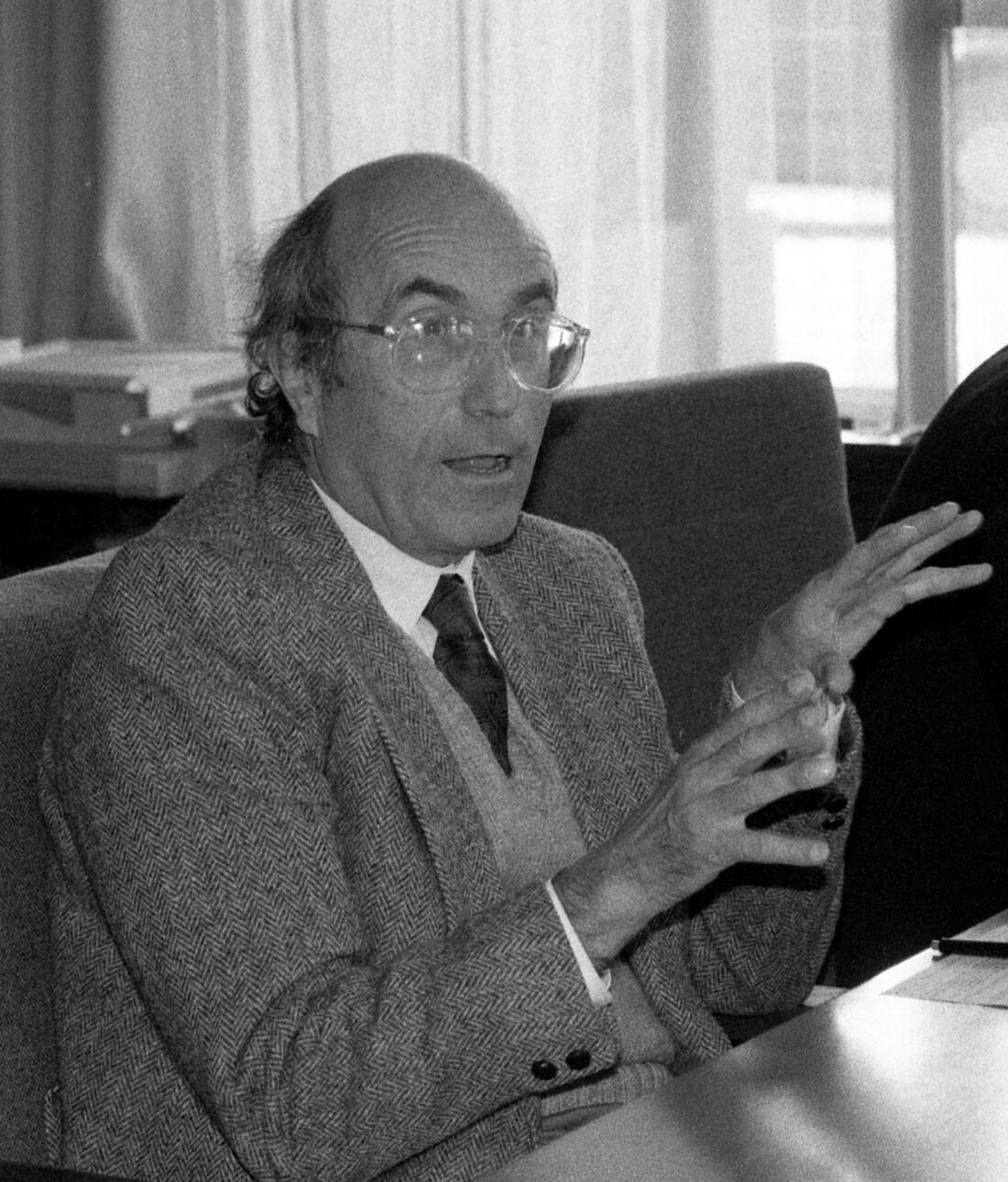
Niklas Luhmann in 1989, speaking and gesturing, in a black-and-white photograph
Niklas Luhmann, 1989. He wrote more than seventy books from a wooden box of about 90,000 numbered cards.
CaptureConnectRecallOwnPrices

A second brain in numbered cards

Engram numbers every note, links it to the ones it belongs with, and brings it back before you forget it.

Start freeHow a card comes back

See also

  • Capturein a second
  • Connectboth ways
  • Recallby meaning
  • Ownplain files
  • Pricesfrom $0

Filed under second brain21/3a2

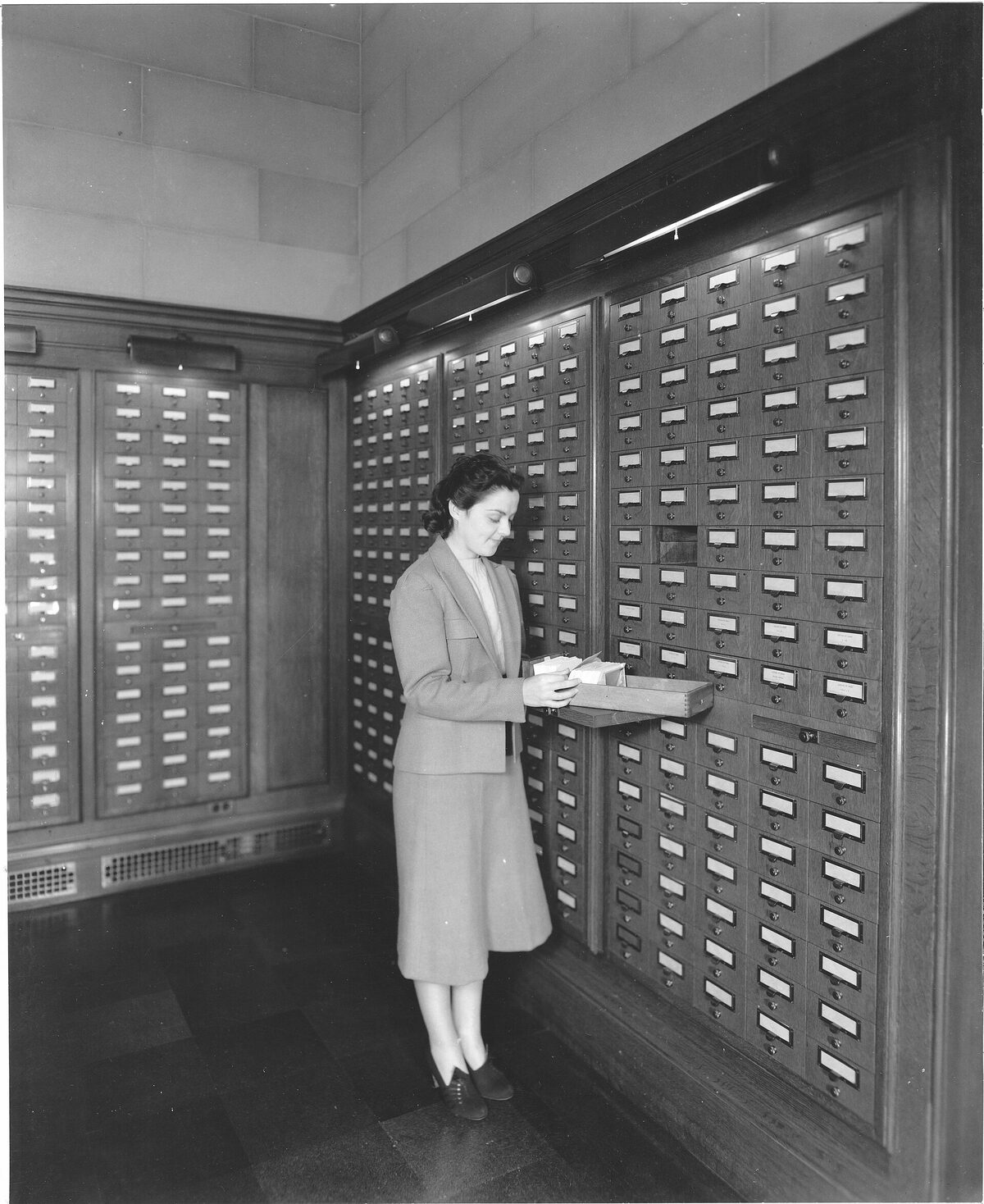
A woman in a suit pulls a drawer from a tall wall of card-catalogue drawers in a search room, in a 1940 black-and-white photograph
A card catalogue in a search room, 1940. Every card had an address, and pointed to its neighbours.
Card7/2b1a

See also

  • 7/2b1Plain text lasts

Engram suggests

  • 7/2Interview with Maya, 14 MarchShares “maya”, “stopped”
  • 7/2bTrust comes from being able to leaveShares “trusting”, “able”

Write a card

Type as you would on paper. Engram suggests the cards yours belongs beside. Link one, and your card gets an address and a See also line.

Start freeHow a card comes back

Four jobs for every card

Capture

Inbox

  • Call the dentist about the crownOption+Space9:41
  • Fwd: Lisbon, train timesEmail9:12
  • The slip box and its numbersWeb clipperMon
  • Idea for the pricing pageVoice memoMon
  • Whiteboard, Thursday’s meetingPhoto, text read outThu
  • Recipe: sourdough, what workedShare sheetThu

Anything becomes a card in under a second. Press the shortcut and an empty card opens over whatever you are doing. Share from your phone, forward an email, clip a page, or talk: voice memos are written out on your device, never uploaded.

A walnut card-catalogue cabinet with rows of brass label holders and a writing shelf pulled out
A catalogue cabinet with its writing shelf pulled out.

Connect

Trust comes from being able to leave 7/2b

Linked from 3 cards

  • 7/2Interview with Maya, 14 March
  • 7/2aPricing idea: charge for sync, not for notes
  • 7/2b1Plain text lasts

Nothing points to these yet

  • 40/1Lisbon, September
  • 52/1Sourdough, what worked

Every card points to its neighbours, and they point back. Type [[ and link any card. Links work both ways, so a card shows what points at it. Engram suggests links while you write; you accept or ignore them. Nothing is filed without you.

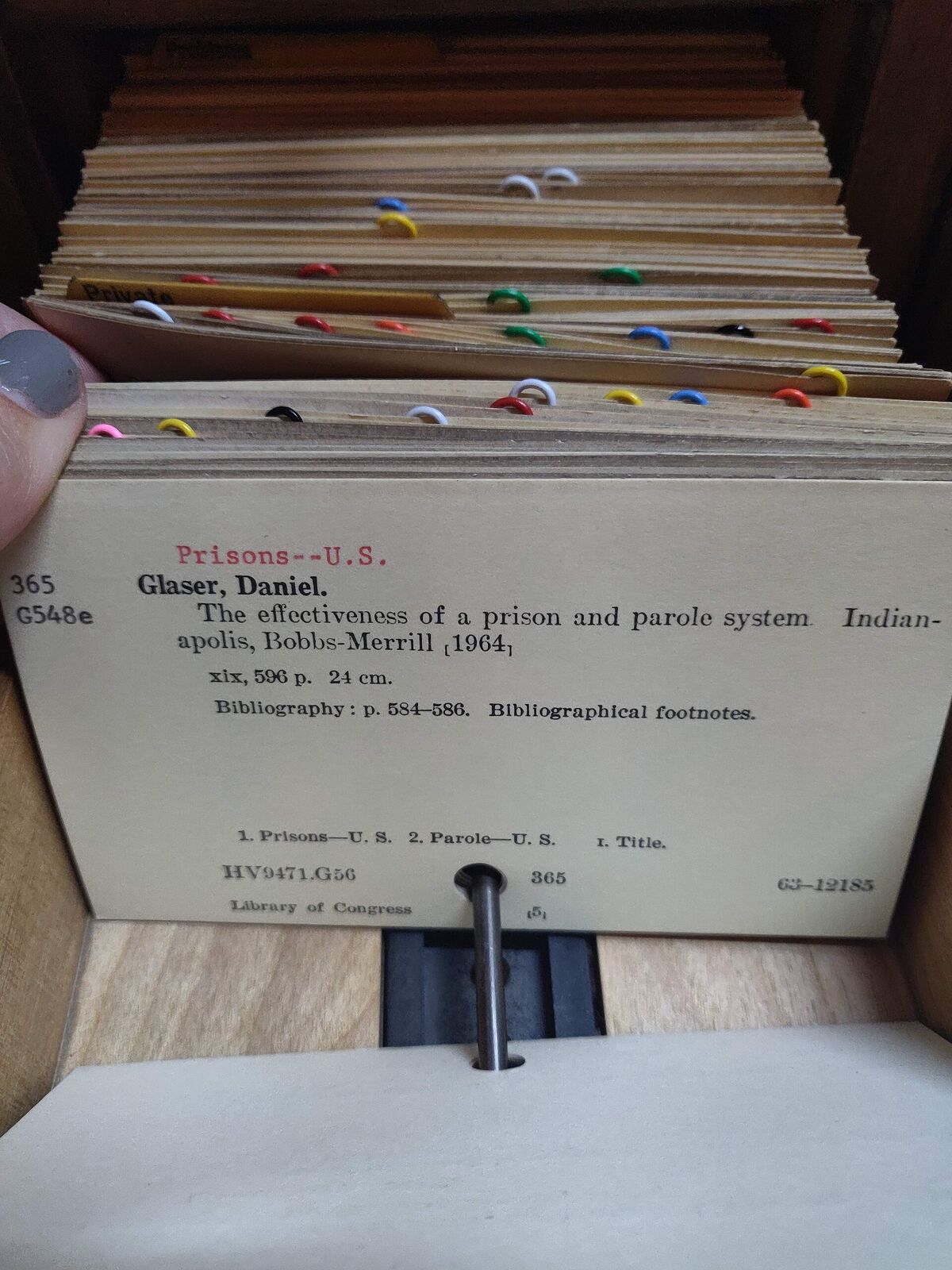
A library catalogue card held on a brass rod, with the headings it is filed under printed at the foot
A catalogue card lists every heading it is filed under.

Recall

Why did Maya leave her old app?

She couldn’t find anything she had written. Price wasn’t the reason; she no longer trusted that her notes were retrievable.

  • 7/2Interview with Maya, 14 March
  • 7/2bTrust comes from being able to leave

Coming back today

  • The forgetting curve21/3Day 7
  • One idea per note21/4aDay 3
  • Pricing idea: charge for sync, not for notes7/2aDay 21

Find it by what it meant, not by what you typed. Search understands meaning. Ask your notes a question and read the answer with its sources. Resurface brings old cards back before you forget them, five a day at most.

Fingers walking through a library drawer, from a 1951 film.

Own

Engram/Things I read/

21-3-the-forgetting-curve.md
21-3a-spaced-repetition.md
21-3a1-retrieval-beats-rereading.md
21-4-luhmanns-slip-box.md
21-4a-one-idea-per-note.md
7-2-interview-with-maya.md

# The forgetting curve
Most of what we learn is gone within a week
unless we return to it. See [[Spaced repetition]].

Plain Markdown files, in a folder on your disk. Open the folder in any editor. It works offline. Sync between devices is end-to-end encrypted, so Engram cannot read your notes. Leave whenever you like; your notes are already out.

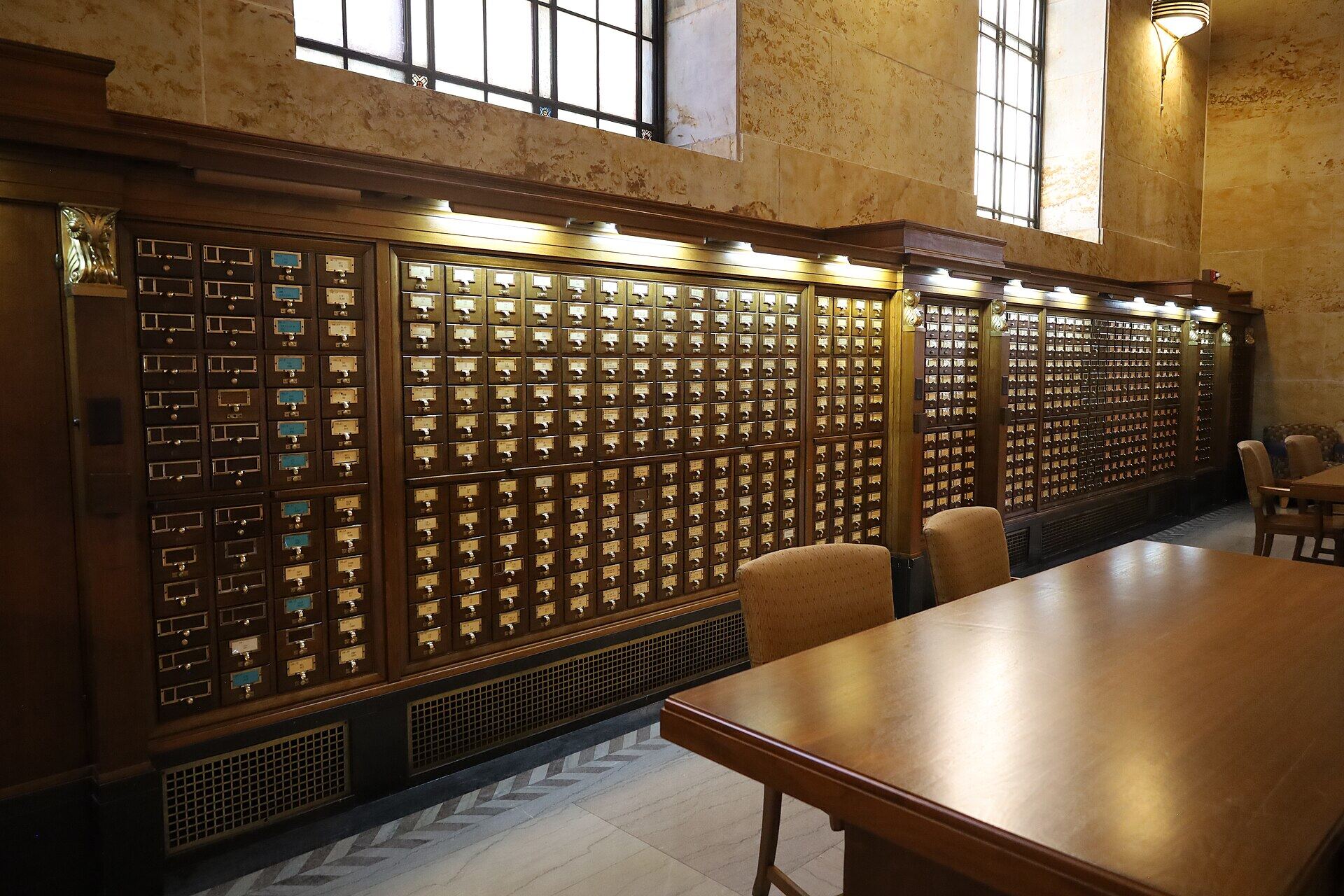
A long wall of wooden catalogue drawers with brass fittings in a library reading room
A wall of drawers, Indiana State Library.

How a card comes back

A card returns after 1, 3, 7, 21 and 60 days, unless you have opened it since. At most five a day, so it stays a pleasure.

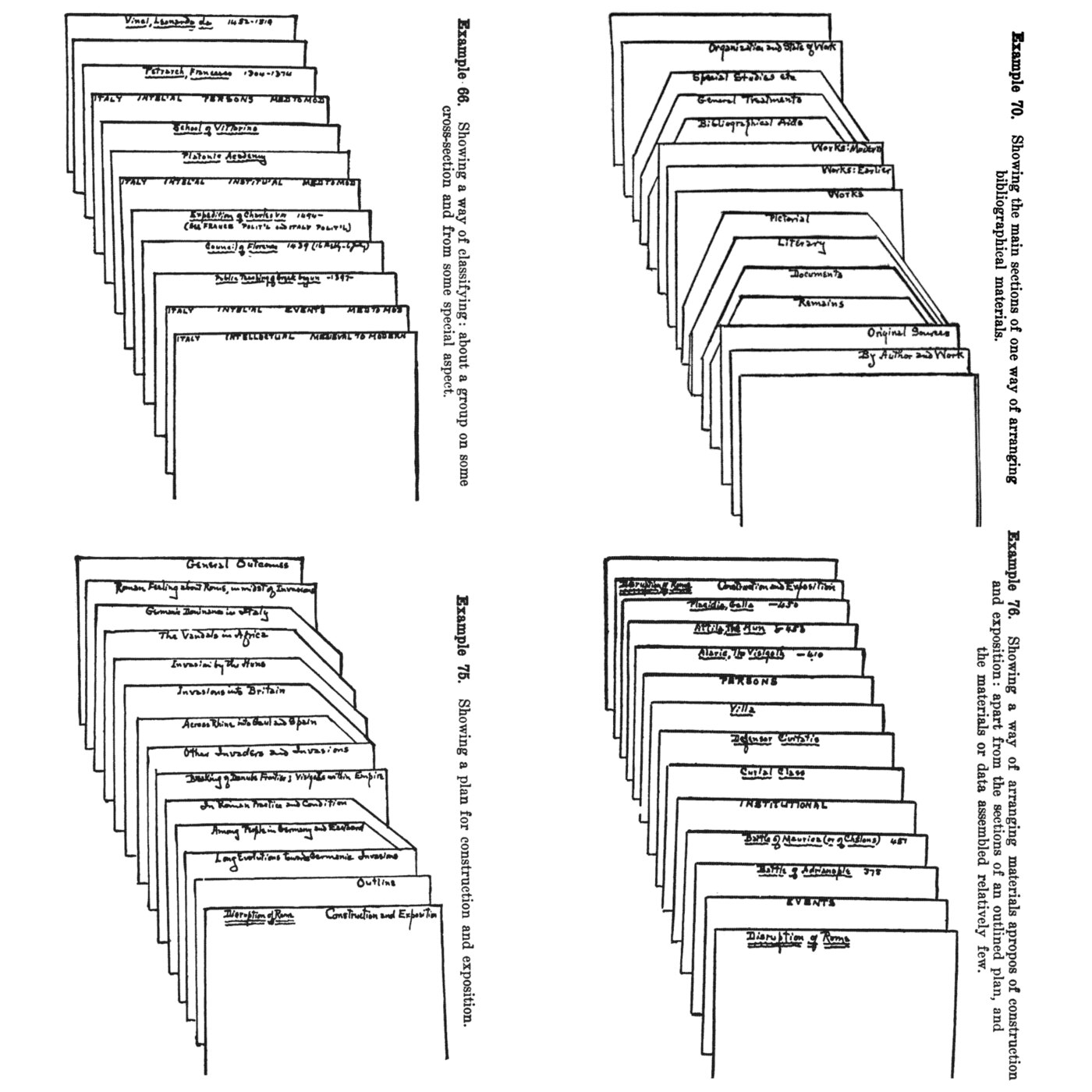
Pen-and-ink diagrams of stacks of index cards with their headings, from a 1924 handbook for historians
Card files drawn for historians in Earle W. Dow’s Principles of a Note-System, 1924.

Due back, in five visits

The day you write it

  • Write it down2 sec
  • Link it to two cards30 sec

The first week

  • Day 1. Read it back, add what you forgot1 min
  • Day 3. Link it to something new1 min
  • Day 7. Say it in your own words1 min

The first two months

  • Day 21. Is it still true?1 min
  • Day 60. Keep it, merge it, or let it go1 min

Filed for goodFive returns, under six minutes

What it costs

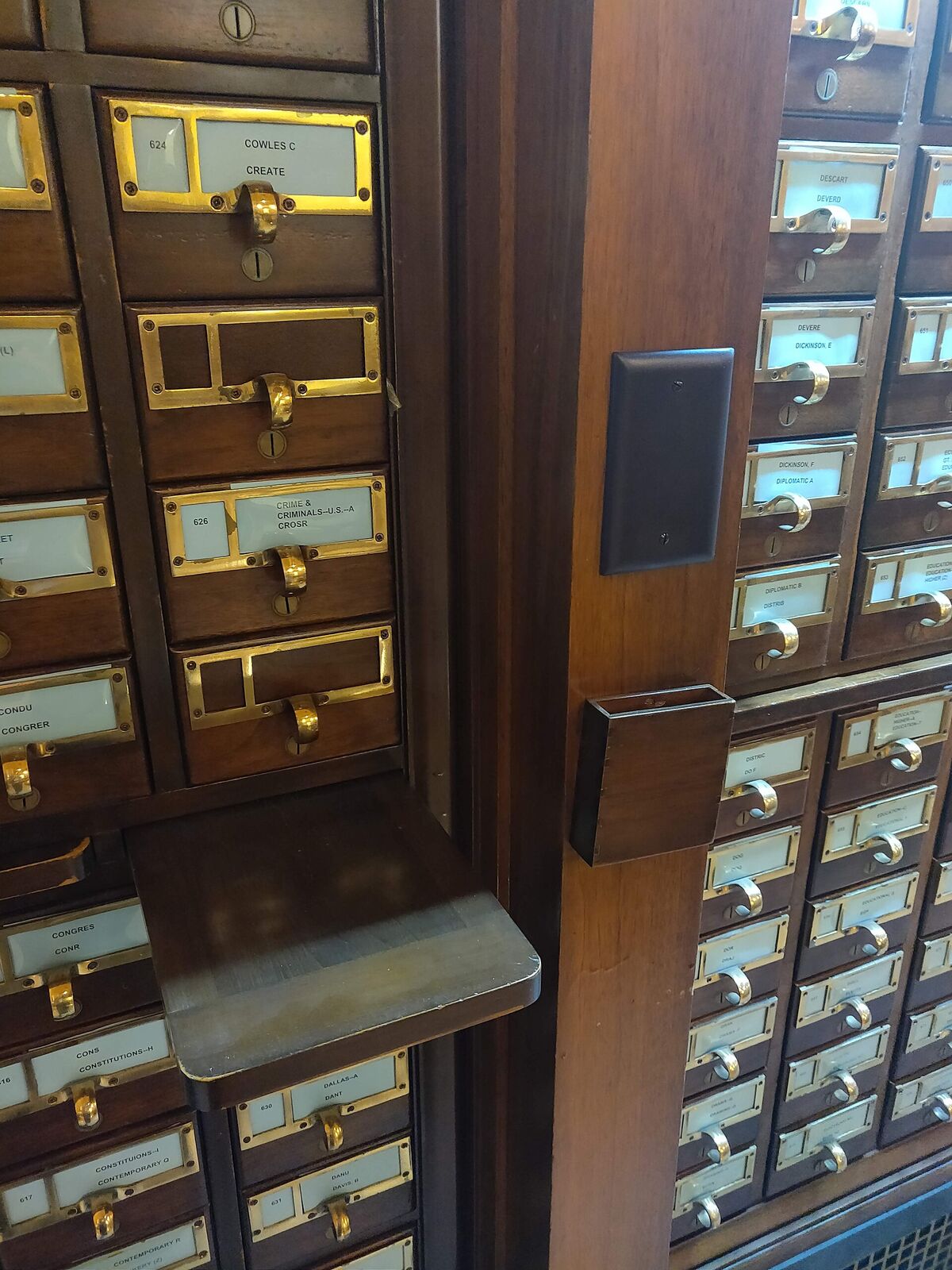
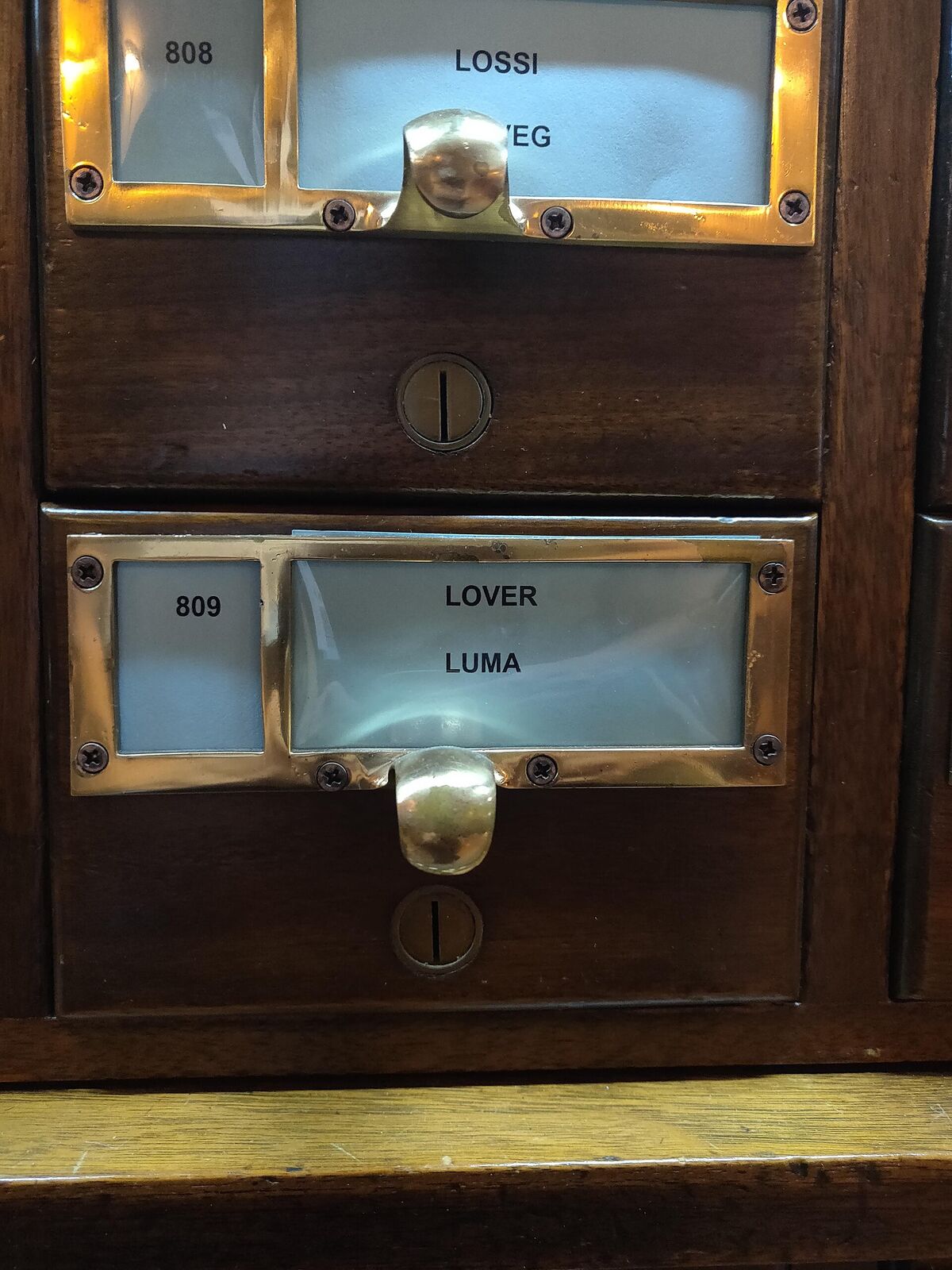
Two catalogue drawers with brass label holders and pulls
Brass label holders, Indiana State Library.

Free$0

Everything on one device, for as long as you like.

  • Unlimited notes, links, backlinks and the map
  • Search by keyword and by meaning, on your device
  • Quick capture and voice memos
  • Plain Markdown files, export at any time

To begin

  • 30 days of Plus$0No card to start. Every new account gets it.

Plus$8 a month

Every device, and a brain that answers.

  • Everything in Free
  • Encrypted sync across all your devices
  • Ask your notes, with sources
  • Resurface, web clipper and email capture
  • 50 GB of attachments and 30 days of version history

Other ways to pay for Plus

  • Billed yearly$96 a yearThe same as $8 a month.
  • Billed monthly$10 a month
  • With a school address$4 a monthHalf price, billed yearly. Write to us from it.

Questions

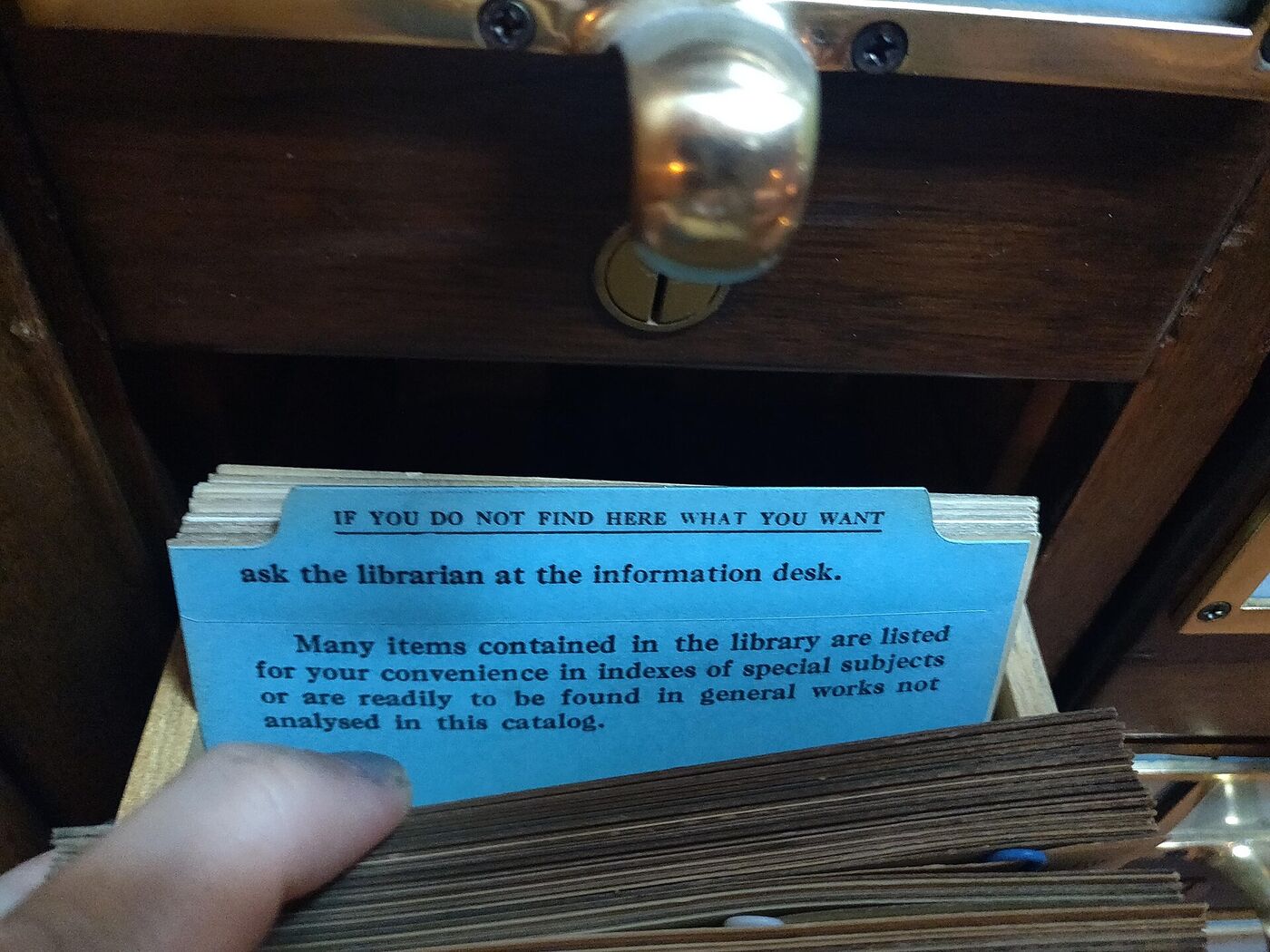
A blue guide card in a catalogue drawer reading: if you do not find here what you want, ask the librarian
A guide card from a library catalogue.

Can I bring the notes I already have? Yes. Point Engram at a folder of Markdown files, or import from Evernote, Apple Notes, Notion and plain text. Links in [[double brackets]] come through as links.

Where are my notes stored? In a folder on your computer, as plain Markdown files. Engram keeps its index beside them. If you delete Engram, the folder is still there and still readable.

Can Engram read my notes? No. Sync is end-to-end encrypted and the keys stay on your devices. Search by meaning runs on your device too.

What does “ask your notes” send anywhere? Only the few passages needed to answer your question, to a model that does not store them or train on them. It is off until you turn it on, and you can turn it off again.

Does it work offline? All of it does, except sync and ask-your-notes, which catch up when you are back online.

Will it organise my notes for me? It suggests links and never files anything away. There are no folders to maintain. You decide what connects; Engram helps you notice what could.

What if I stop paying for Plus? You keep every note and every link, and Free keeps working on one device. You lose sync, ask-your-notes and Resurface until you come back.

Is there a student price? Plus is half price with a school address. Write to us from it and we will switch it on.
Start yourdrawer

Name it, and Engram opens an empty card. Free on one device for as long as you like, and every new account begins with 30 days of Plus.

Name your first drawer

Start free

Engram makes a folder called “Things I read” on your computer. Nothing leaves it until you turn sync on.

ENGRAM

hello@engram.example
  • Mac
  • Windows
  • Linux
  • iPhone and iPad
  • Android
  • Web

The four jobs

  • Capture
  • Connect
  • Recall
  • Own

On this page

  • Write a card
  • How a card comes back
  • What it costs
  • Questions

Reach us

  • Write to us
  • Start free

Pictures from Wikimedia Commons: “Card catalog at the Indiana State Library - cabinet exterior”, “… interior view of catalog cards”, “… headings Lover through Luma” and “Inside a card catalog … ask the librarian” by TBurmeister (WMF); “Indiana State Library 2024be” by Antony-22; “Niklas Luhmann” by Universitätsarchiv St.Gallen (HSG), all CC BY-SA 4.0. In the public domain: “Photograph of Card Catalog in Central Search Room” (1940), General Services Administration, National Archives; card files from Principles of a Note-System for Historical Studies (1924), Earle W. Dow; and an excerpt of the film “Library Organization” (1951), Coronet Instructional Films.

Engram is a concept. Names, prices and examples are samples.Back to the top