what did Maya say about pricing in March
Recall
Search by meaning, not by the words you typed.
Every note you write reaches toward the ones it belongs with. Engram links them, and brings them back when they matter.
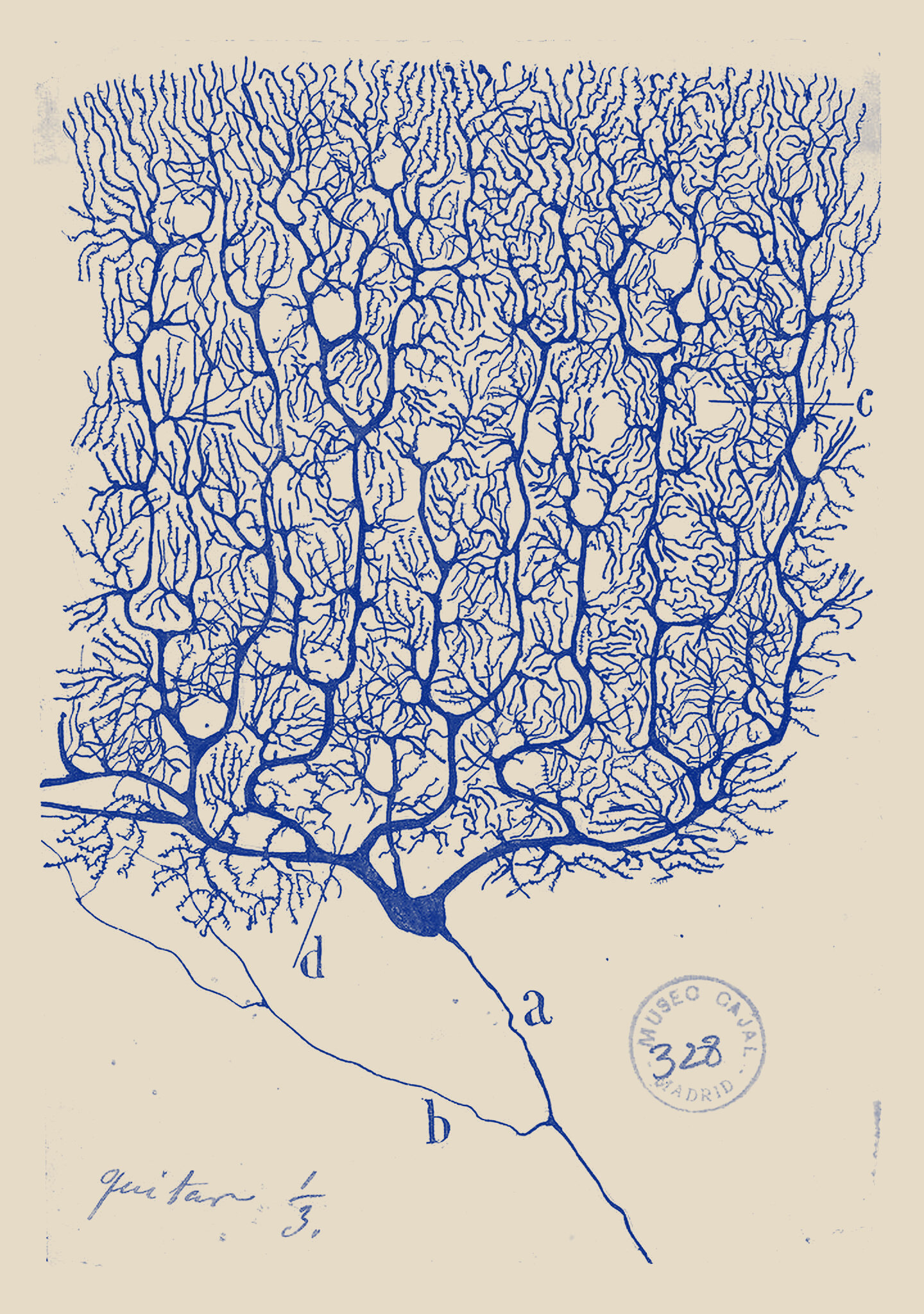
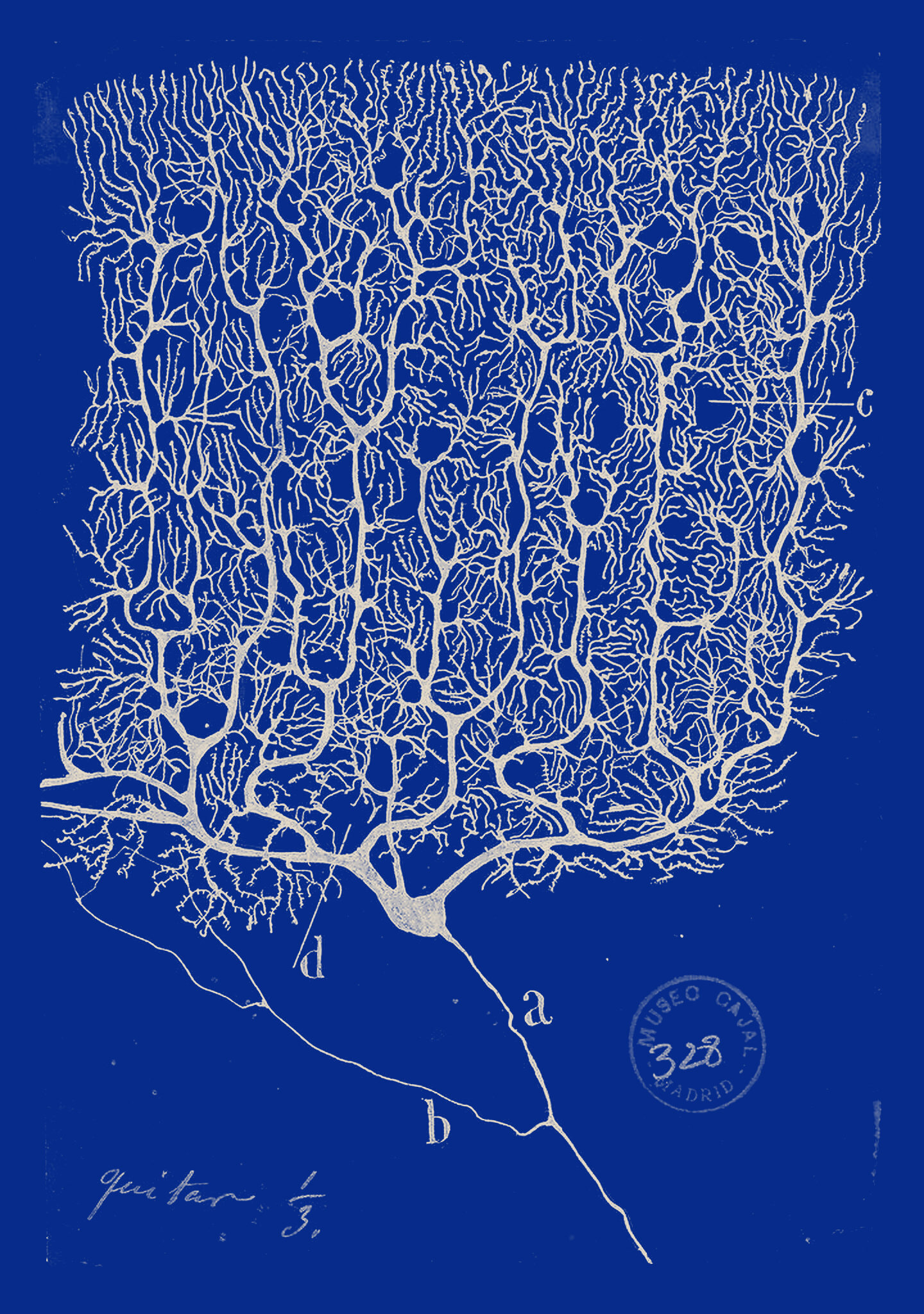
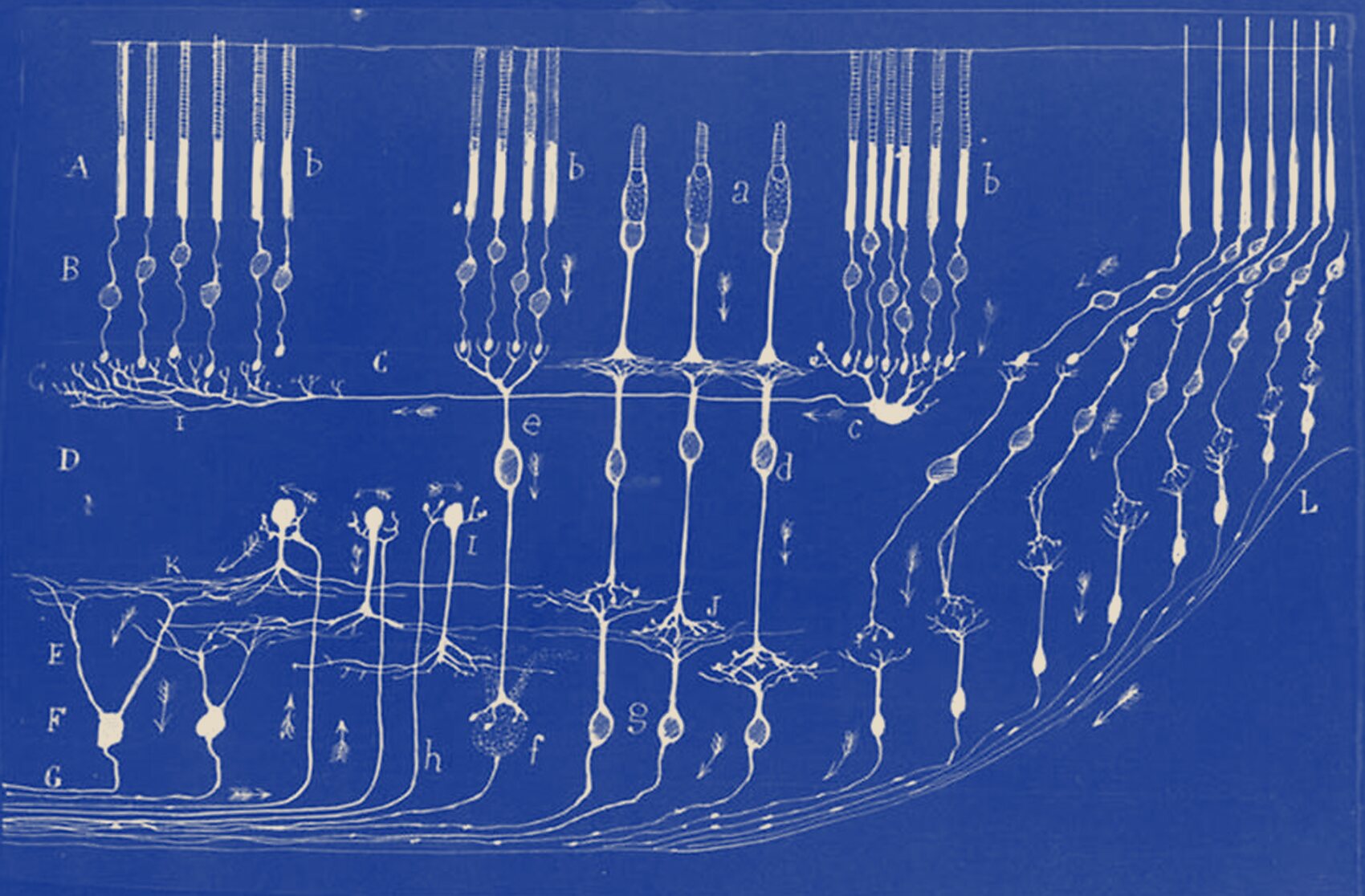
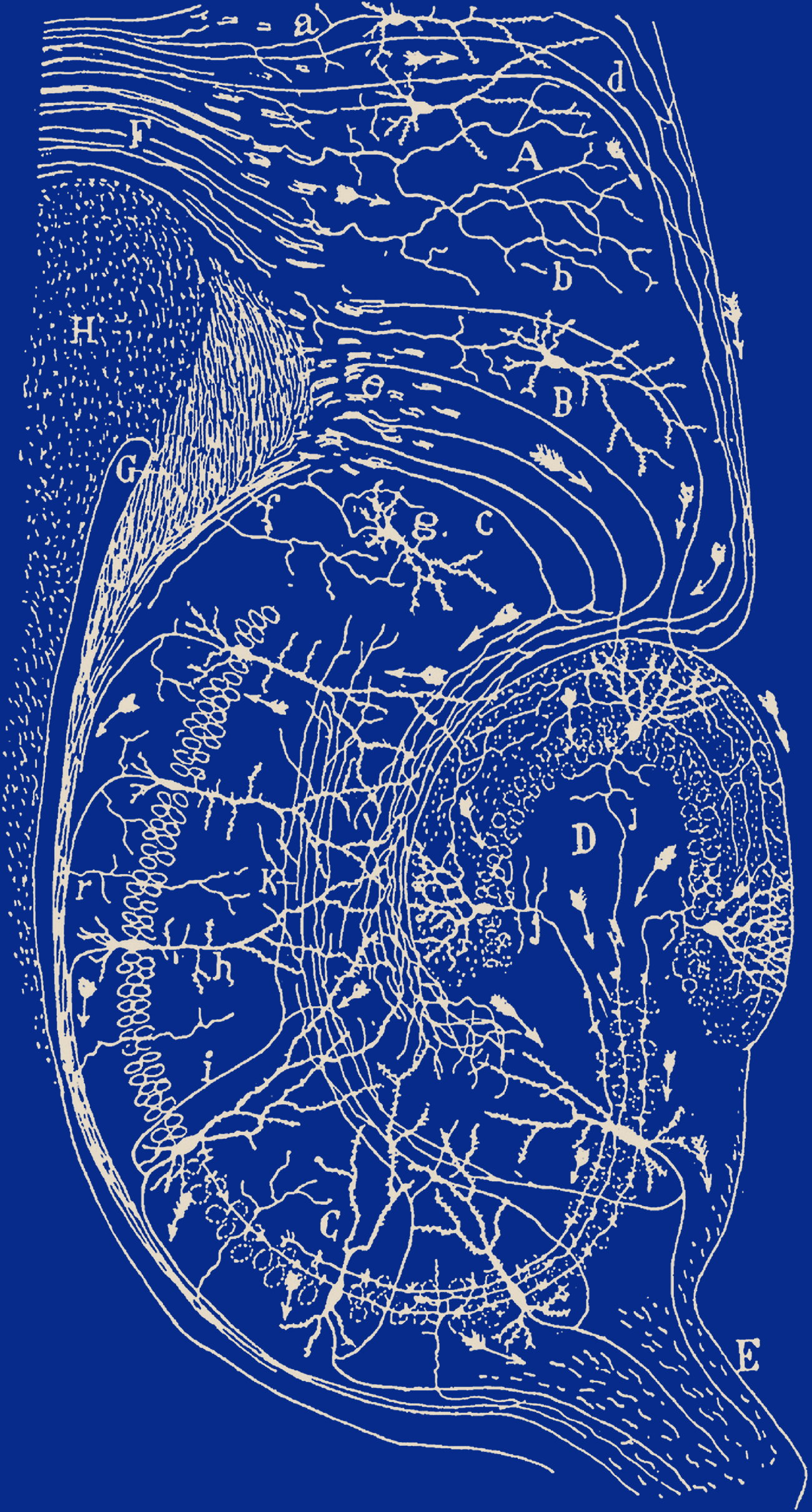
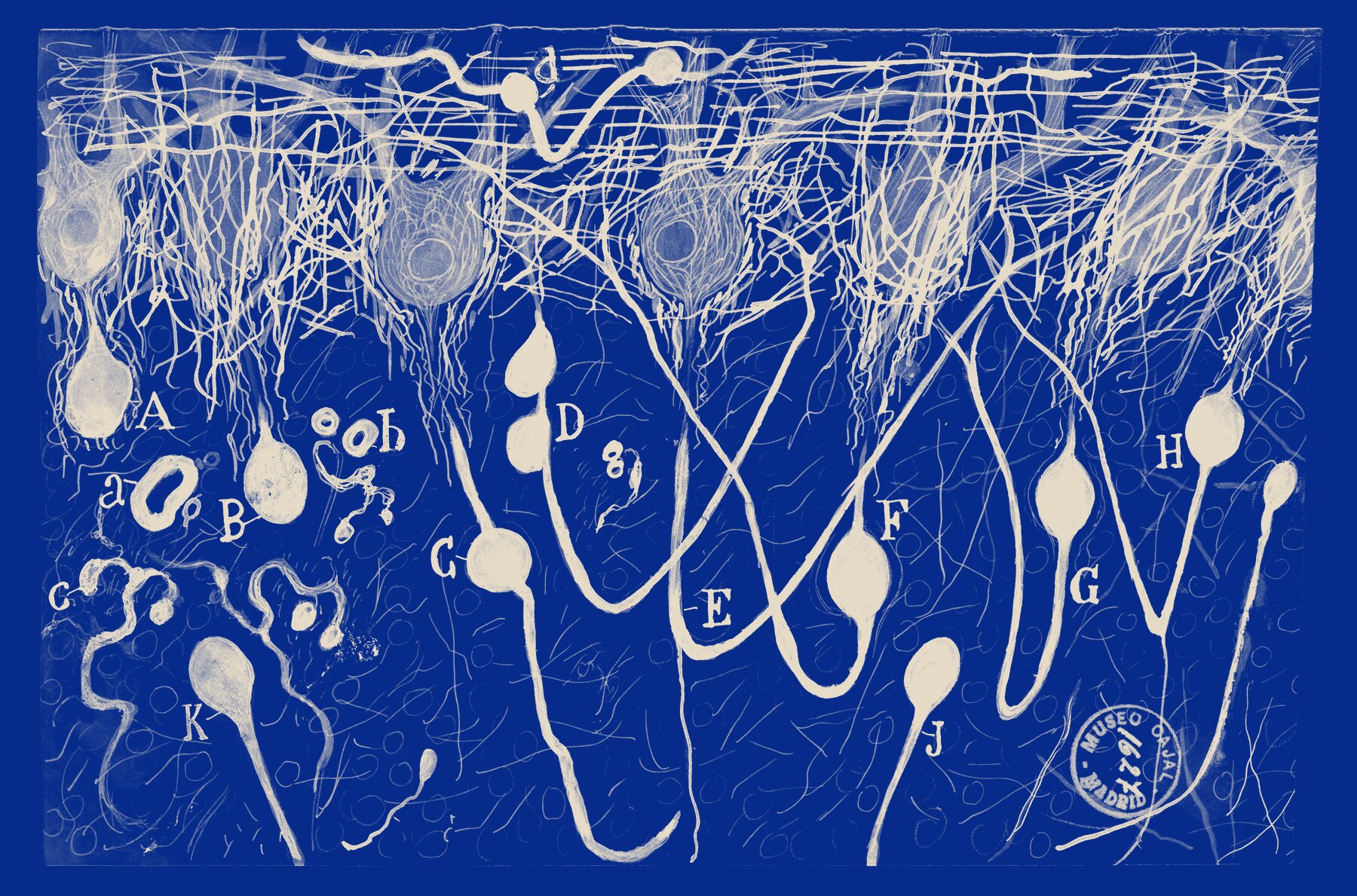
Nerve cells of the brain, drawn by Santiago Ramón y CajalA Purkinje cell of the human cerebellum, by CajalThe layers of the mammalian retina, by Cajal, 1901The hippocampus, where memories are laid down, by Cajal
Write a thought. Engram reaches through your notes for the ones it belongs with. Tap one to link it, and the link works both ways.
4 notes look related. 1 linked. Tap a note to link it; nothing links until you do. Interview with Maya, 14 March now lists this note under its backlinks.
Search by meaning, not by the words you typed.
A new note in under a second, from any app.
Every link works both ways.
Old notes return after 1, 3, 7, 21 and 60 days.
Answers cite their notes. Off until you switch it on.
End-to-end encrypted. We cannot read your notes.
Plain Markdown files, in a folder on your disk.
Written out on your device, never uploaded.
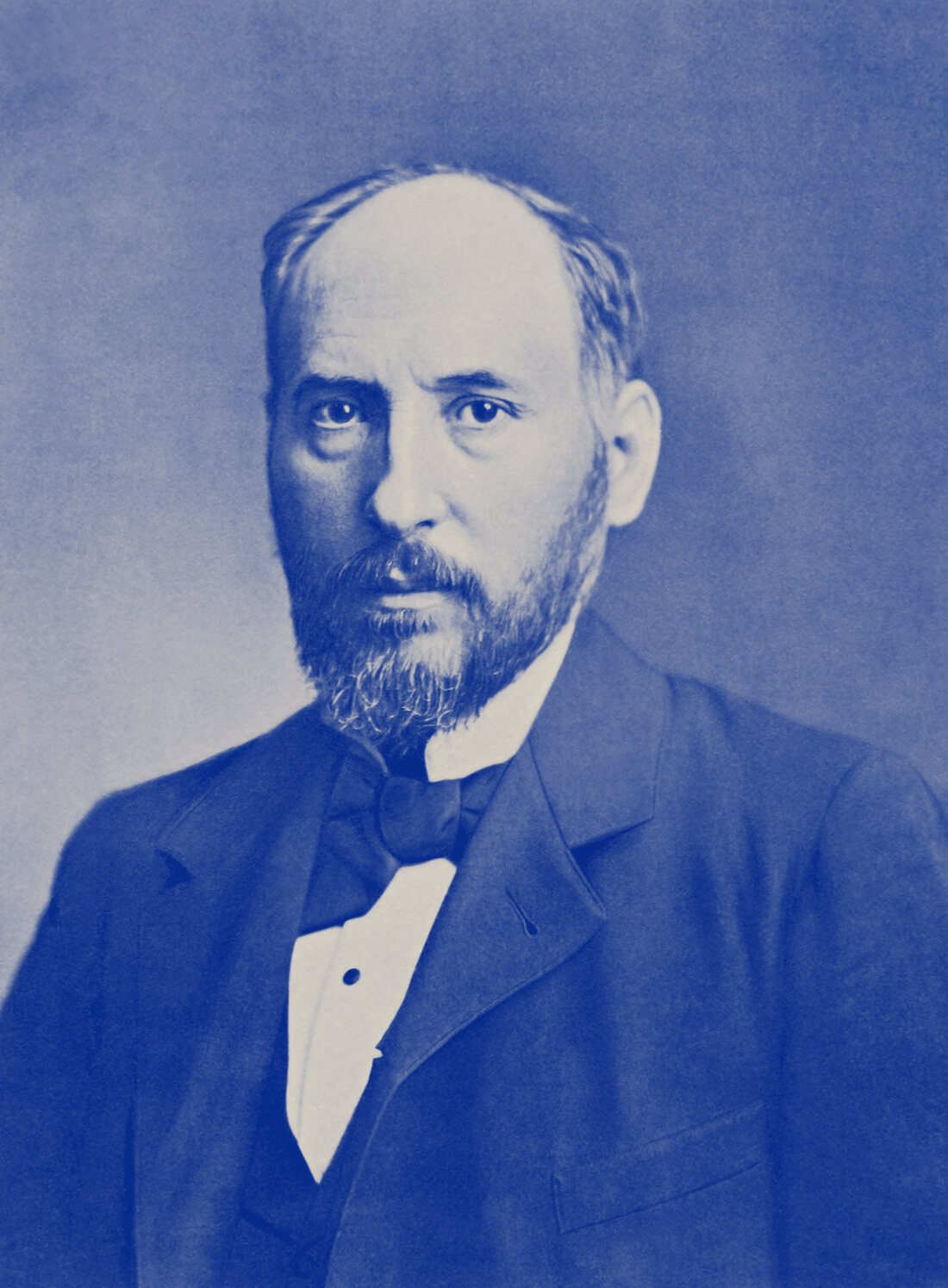
An engram is the trace a memory leaves in the brain. Cajal drew what it is made of: cells reaching for each other.
Richard Semon gave the trace its name in 1904. Santiago Ramón y Cajal shared the 1906 Nobel Prize for showing that the nervous system is made of separate cells that reach across tiny gaps, and drew them in ink for decades. Your notes work the same way: each one separate, each one reaching for the others.
Notes arrive scattered. Engram lines them up by what they mean, then gives them back in order.
Anything you jot, clip, forward or say becomes a note. Nothing is sorted on the way in.
Type [[ to link by hand. Engram suggests the rest and links nothing without you.
Search by meaning, ask your notes, or let old ones come back on their own.
Notes are free and stay yours. You pay for the work that costs us something: sync, the model and the storage. Every new account starts with 30 days of Plus. No card to start.
Or stay on Free: every note, link and the map, on one device, for as long as you like. Plus is $10 if you pay monthly.
Yes. Point Engram at a folder of Markdown files, or import from Evernote, Apple Notes, Notion and plain text. Links in [[double brackets]] come through as links.
In a folder on your computer, as plain Markdown files. Engram keeps its index beside them. If you delete Engram, the folder is still there and still readable.
No. Sync is end-to-end encrypted and the keys stay on your devices. Search by meaning runs on your device too.
Only the few passages needed to answer your question, to a model that does not store them or train on them. It is off until you turn it on, and you can turn it off again.
All of it does, except sync and ask-your-notes, which catch up when you are back online.
It suggests links and never files anything away. There are no folders to maintain. You decide what connects; Engram helps you notice what could.
You keep every note and every link, and Free keeps working on one device. You lose sync, ask-your-notes and Resurface until you come back.
Plus is half price with a school address. Write to us from it and we will switch it on.