12345
E
  • Findings
  • The figure
  • How it works
  • Pricing
  • Questions
Menu
  • Findings
  • The figure
  • How it works
  • Pricing
  • Questions
Start free

Engram

A second brain for your notes: it links what you capture and brings it back before you forget it.

Start free
0%25%50%75%100%1 hour1 day1 week1 month58443634282521
Effort saved on relearning a list, by delay. Hermann Ebbinghaus, on himself, 1885.
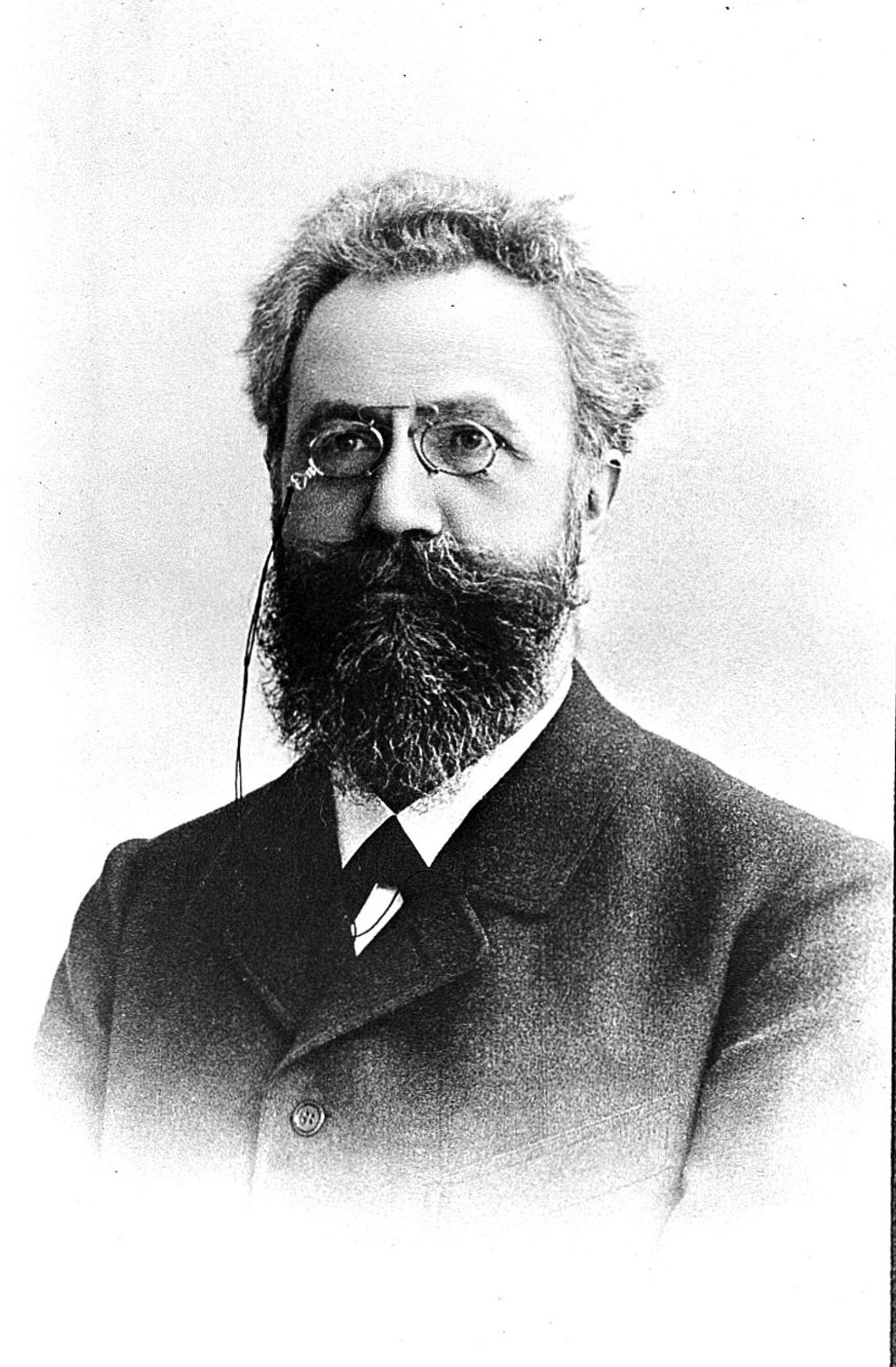
Hermann Ebbinghaus, a bearded man in a pince-nez and dark coat, photographed around 1909
Hermann Ebbinghaus, 1850–1909

Hermann Ebbinghaus measured how fast we forget. More than half was gone within the hour.

1885

Engram brings a note back on these days.

1372160

More than half is gone in an hour.

Ebbinghaus tested only himself, with about 2,300 nonsense syllables such as DAX and ZUP, so that meaning could not help him. Each figure is a saving: the share of the first effort he did not have to spend again when he relearned the list.

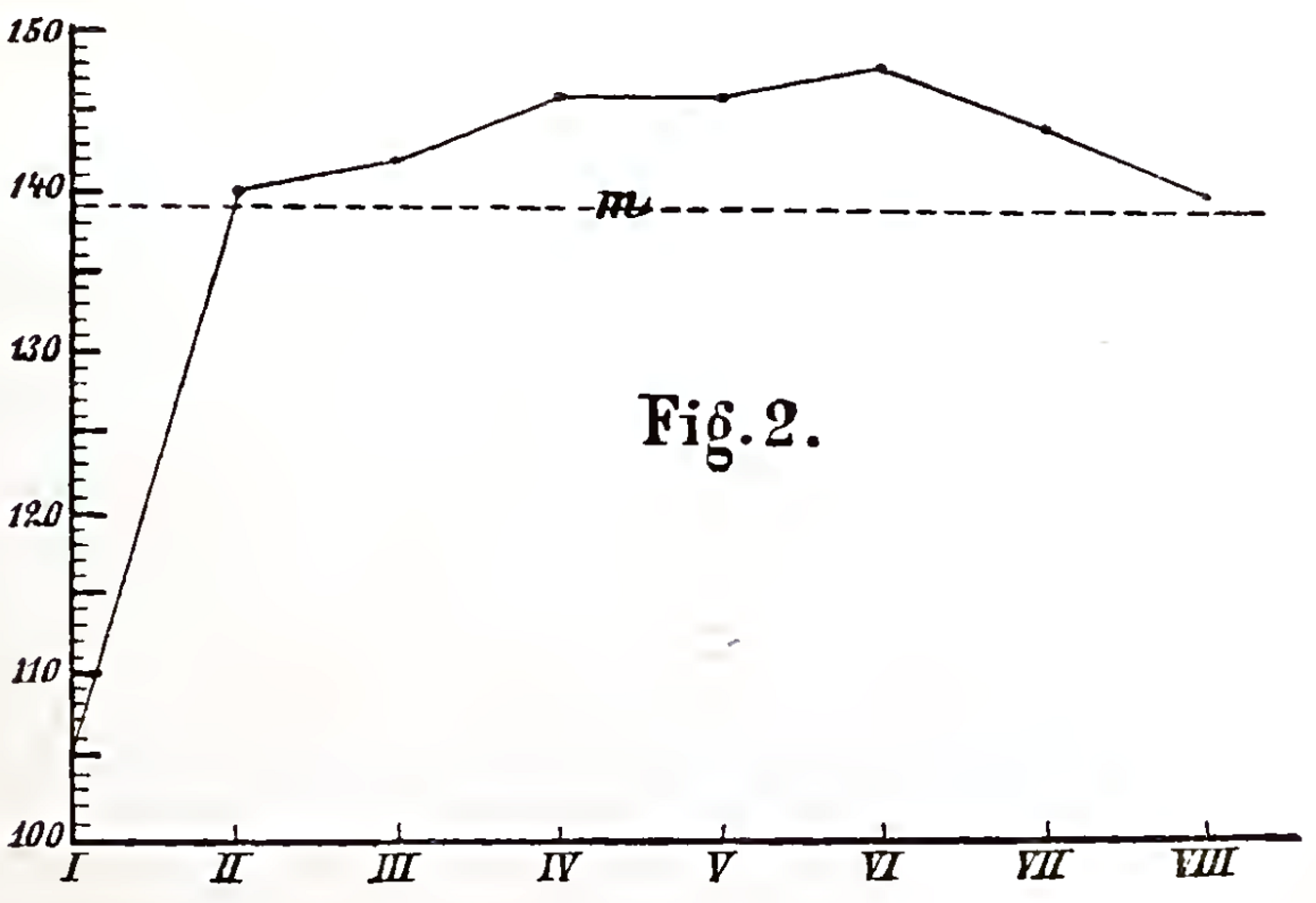
A line chart from Ebbinghaus's book: a rising and falling line plotted over eight numbered series
A figure from Über das Gedächtnis, 1885, drawn by Ebbinghaus.

Effort saved, in per cent, after relearning a list

  1. 58after 20 minutes
  2. 44after 1 hour
  3. 36after 9 hours
  4. 34after 1 day
  5. 28after 2 days
  6. 25after 6 days
  7. 21after 31 days

Drag to any day.

The solid line is what Ebbinghaus measured. The dashed line is where Engram would bring a note back.

1 day after you learn it

34per cent of the effort saved. Measured, 1885.

Engram would have brought it back on day 1, and next on day 3.

0%25%50%75%100%1 hour1 day1 week2 months
  • Measured by Ebbinghaus on himself, 1885
  • Schematic of Engram’s returns. Not measured data.

Give it a thought, get it back.

First, write it down.

New noteOptionSpace

Luhmann’s slip box: about 90,000 index cards, each with a number, each pointing to its neighbours.

luhmanns-slip-box.mdSaved just now

Luhmann’s slip box

About 90,000 index cards, each with a number, each pointing to its neighbours.

Engram suggests linking to

  • Writing starts from notes
  • One idea per note

Saved as a file, and offered two links. Nothing is linked without you.

Then link it to what you know.

The forgetting curveEditing

Return to an idea at widening intervals and the curve flattens. See [[spa

  • Spaced repetition38 days ago
  • Spaces in file names2 years ago
  • Spain, train times1 year ago

Spaced repetition is linked from 3 notes

  • The forgetting curve
  • Retrieval beats rereading
  • Interview with Maya, 14 March

The link works both ways: the other note now shows this one.

Then let it go.

SettingsResurface

Bring old notes back

Five notes a day at most.

Back today5 notes
  • Luhmann’s slip box

    Written yesterday

    Back again on day 3

  • One idea per note

    Written 3 days ago

    Back again on day 7

  • Retrieval beats rereading

    Written 7 days ago

    Back again on day 21

  • Pricing idea: charge for sync, not for notes

    Written 21 days ago

    Back again on day 60

  • Interview with Maya, 14 March

    Written 60 days ago

    Last return

Days later, the notes you have not touched come back, a few at a time.

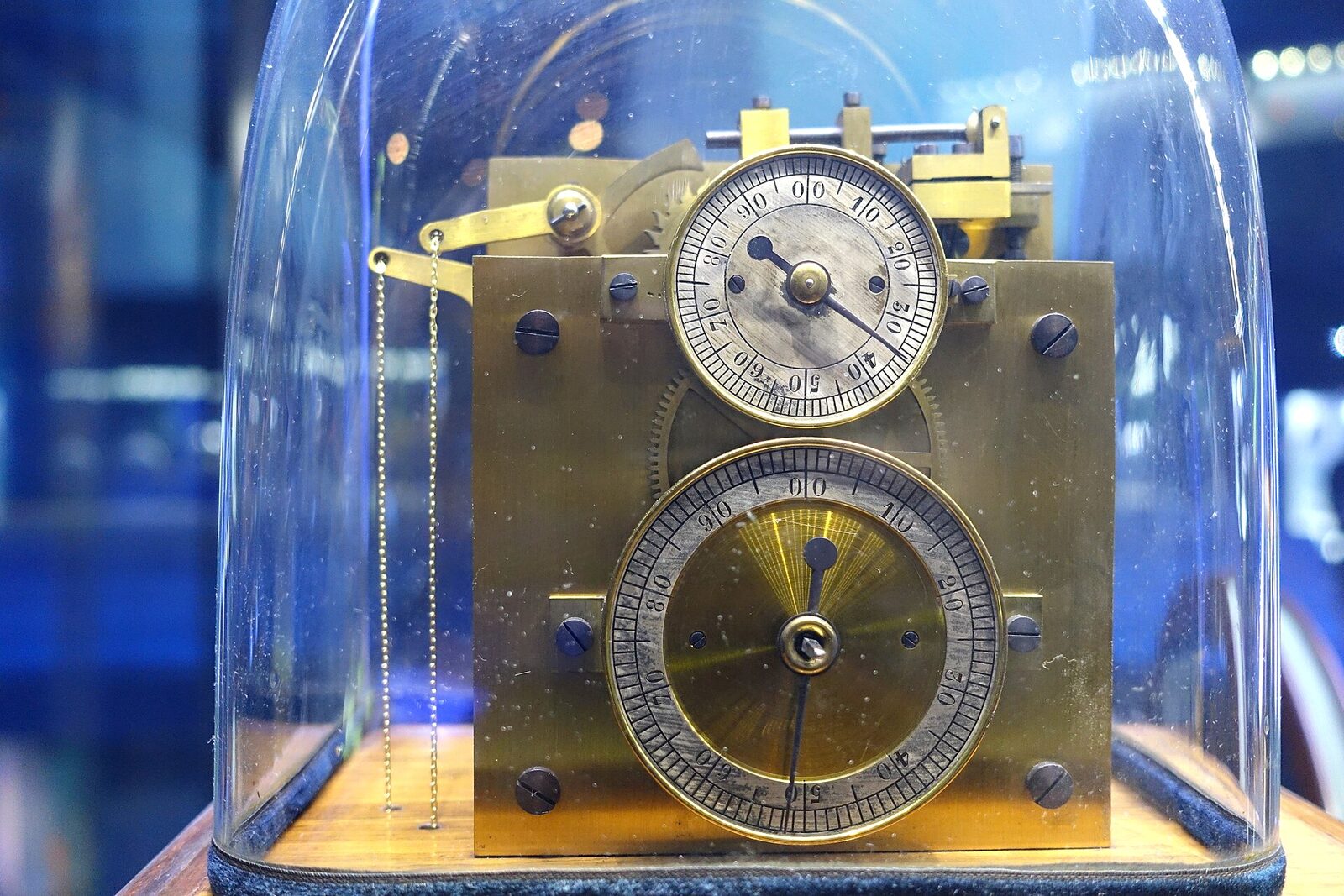
The two brass dials of a Hipp chronoscope under a glass dome, with their fine engraved scales
Hipp chronoscope, about 1890: a clockwork timer for mental reactions

The curve is older than the word.

Richard Semon coined “engram” in 1904 for the trace a memory leaves behind. Nineteen years earlier, Ebbinghaus had measured how fast that trace fades, alone, with about 2,300 nonsense syllables. The product is named for the trace. Its schedule is built against the fade.

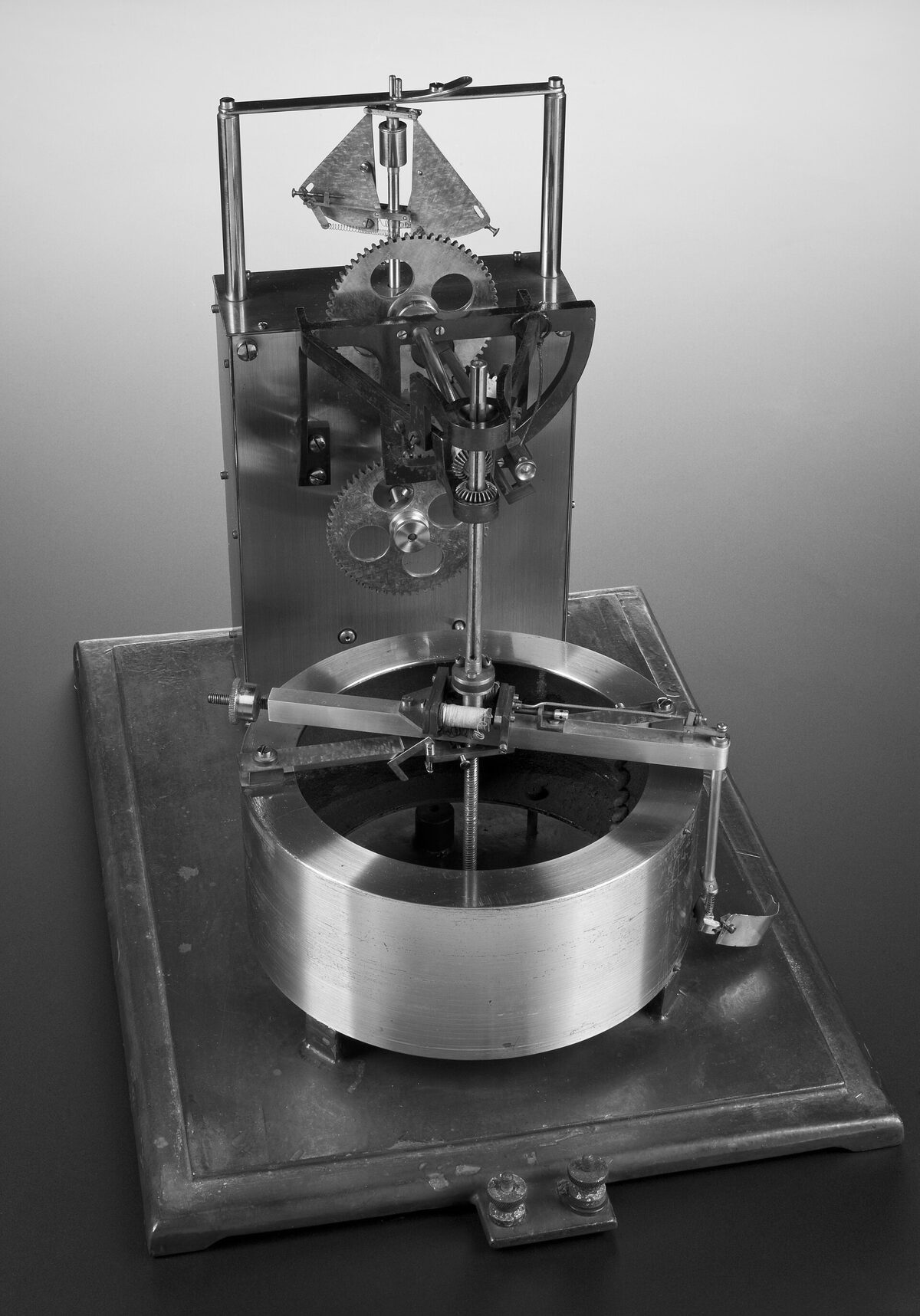
A brass kymograph on a wooden base: a rotating drum with a stylus arm and clockwork behind it
Kymograph, 1880–1930: a drum on which a stylus draws a curve
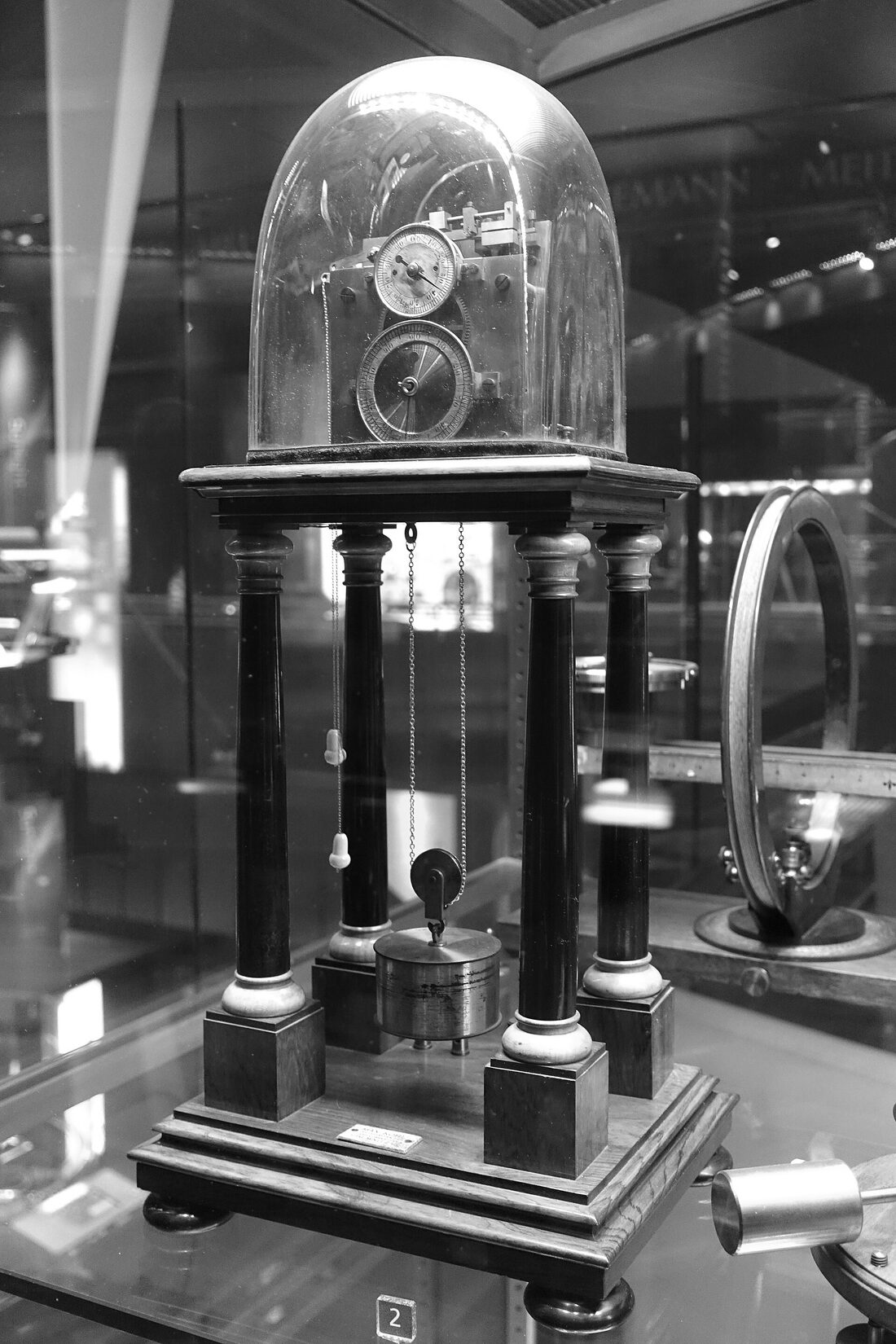
The whole Hipp chronoscope: a glass dome on four turned columns, with two weights hanging on chains below the clockwork
The same chronoscope, driven by hanging weights
  • DAX
  • BOK
  • ZUP
  • LAN
  • WID
  • ZOF
  • KEB
  • MUR
  • NUS
  • TAF
  • GEB
  • PUV
  • HOZ
  • YAT
  • CIL
  • JEM
  • VOR
  • FUV
  • QUP
  • RAK
  • SIK
  • TOZ
  • NEP
  • LUK

Syllables of his kind: consonant, vowel, consonant, so that meaning could not help.

Inside one note.

A file you own

Every note is a Markdown file in a folder on your disk. Open that folder in any other editor.

forgetting-curve.md

The forgetting curve

Written 41 days ago

Ebbinghaus, 1885: most of what we learn is gone within a week unless we return to it. The loss is steepest in the first hour. The fix is Spaced repetition, and the test is Retrieval beats rereading.

Double brackets

Type [[ and pick a note. The link works in both directions.

Suggestions you can refuse

While you write, Engram suggests notes to link. You accept or ignore. Nothing is linked without you.

Suggested link

Luhmann’s slip box

Linked from 3 notes

  • Spaced repetition
  • Writing starts from notes
  • Luhmann’s slip box

Backlinks

Open a note and see every note that points to it, right under it.

It comes back

After 1, 3, 7, 21 and 60 days, unless you opened it since. Five notes a day at most.

Back on day 21, in 14 days

  1. 1
  2. 3
  3. 7
  4. 21
  5. 60

Why did Maya leave her old app?

She couldn’t find anything she had written. Price wasn’t the reason; she no longer trusted that her notes were retrievable.

  • Interview with Maya, 14 March
  • Trust comes from being able to leave

Ask your notes

Answers in sentences, with the notes it drew on as footnotes. If your notes don’t say, it says so.

What it costs.

Free$0for as long as you likePlus$8a month, billed yearly ($96). $10 if billed monthly.
Notes, links and the mapUnlimitedUnlimited
DevicesOneAll of yours, synced
SearchBy keyword, on your deviceBy meaning, on your device
Ask your notes, with sourcesNot includedIncluded
ResurfaceNot includedDays 1, 3, 7, 21 and 60
Web clipper and email captureNot includedIncluded
AttachmentsOn your own disk50 GB
Version historyNot included30 days
Your notes as filesMarkdown, alwaysMarkdown, always
Start freeStart free

What it costs.

Free

$0

for as long as you like

Notes, links and the map
Unlimited
Devices
One
Search
By keyword, on your device
Ask your notes, with sources
Not included
Resurface
Not included
Web clipper and email capture
Not included
Attachments
On your own disk
Version history
Not included
Your notes as files
Markdown, always
Start free

Stays free on one device.

Plus

$8

a month, billed yearly ($96). $10 if billed monthly.

Notes, links and the map
Unlimited
Devices
All of yours, synced
Search
By meaning, on your device
Ask your notes, with sources
Included
Resurface
Days 1, 3, 7, 21 and 60
Web clipper and email capture
Included
Attachments
50 GB
Version history
30 days
Your notes as files
Markdown, always
Start free

Starts with 30 days of Plus. No card.

Every new account starts with 30 days of Plus. No card to start.

Questions

Can I bring the notes I already have?

Yes. Point Engram at a folder of Markdown files, or import from Evernote, Apple Notes, Notion and plain text. Links in [[double brackets]] come through as links.

Where are my notes stored?

In a folder on your computer, as plain Markdown files. Engram keeps its index beside them. If you delete Engram, the folder is still there and still readable.

Can Engram read my notes?

No. Sync is end-to-end encrypted and the keys stay on your devices. Search by meaning runs on your device too.

What does “ask your notes” send anywhere?

Only the few passages needed to answer your question, to a model that does not store them or train on them. It is off until you turn it on, and you can turn it off again.

Does it work offline?

All of it does, except sync and ask-your-notes, which catch up when you are back online.

Will it organise my notes for me?

It suggests links and never files anything away. There are no folders to maintain. You decide what connects; Engram helps you notice what could.

What if I stop paying for Plus?

You keep every note and every link, and Free keeps working on one device. You lose sync, ask-your-notes and Resurface until you come back.

Start beforeyou forget.

Free on one device for as long as you like. Every new account starts with 30 days of Plus. No card to start.

Start free

Engram

  • hello@engram.example
  • Download for Mac
  • Download for Windows
  • Download for Linux
  • iPhone, iPad, Android
  • Open on the web
  • Findings
  • The figure
  • How it works
  • Inside a note
  • Pricing
  • Questions
  • Start free
  • Write to us
  • Back to top

Pictures: Hermann Ebbinghaus, portrait from Zeitschrift für Psychologie, 1909, Wellcome Collection, CC BY 4.0. Kymograph, Europe, 1880–1930, Wellcome Collection, CC BY 4.0. Hipp chronoscope (two views) by Daderot, CC0. Figure 2 from Ebbinghaus, Über das Gedächtnis (1885), public domain, all via Wikimedia Commons. Portrait and kymograph cropped and set in greyscale.

© 2026 Engram